A Veteran GC, a Building Scientist, and an Integrated Wall System in the Arizona Desert
When industry professionals build for themselves, there's no client budget to navigate — no spec sheet to satisfy — simply their own judgment of what "top quality" means.
And when a veteran general contractor chooses a system for her own home vetted by a building science expert with over 30 years of field experience... that's a decision worth examining.
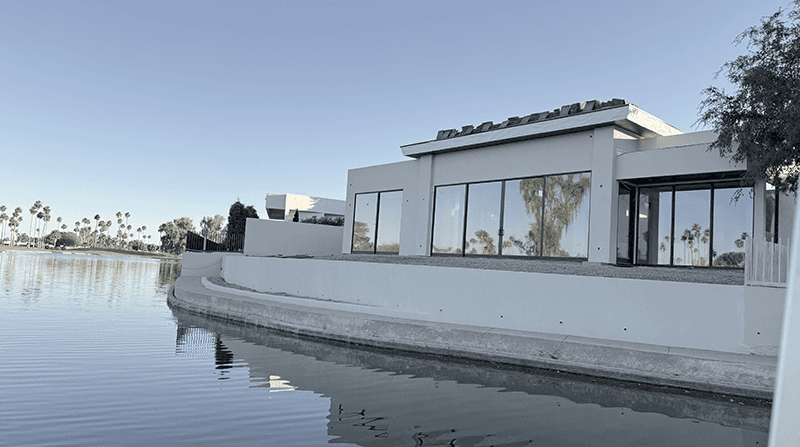
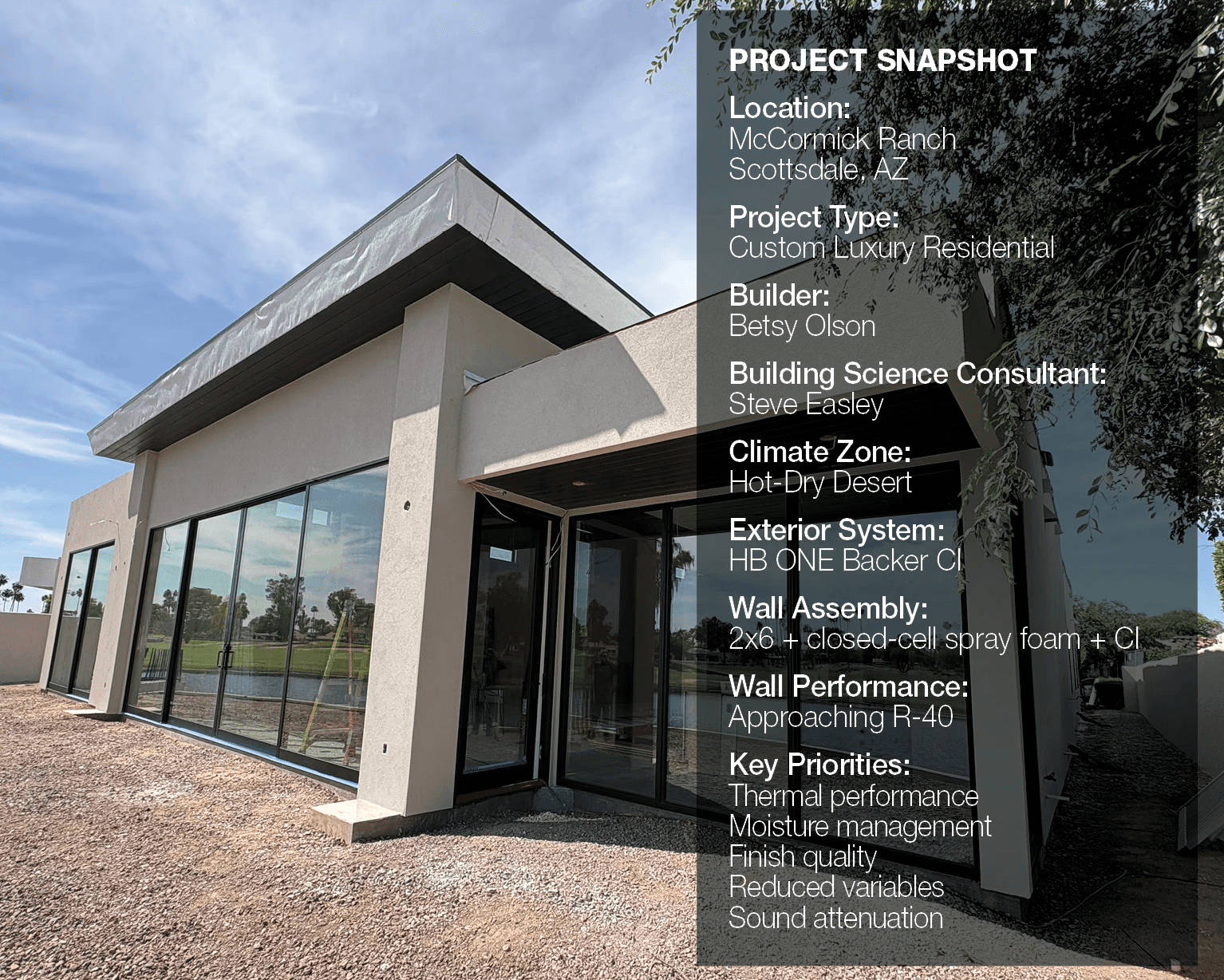
Which is exactly what is occurring in McCormick Ranch: one of Scottsdale, Arizona's most desirable custom-built neighborhoods.
An Opportunity Right Within Sight
Three and a half years ago, Betsy Olson saw the lot next door to her own home come up for sale. In her words, "it was one of the five best lots in the entire community, with lakefront views, golf course frontage, mountain sightlines, right in the center of McCormick Ranch."
Betsy has been a general contractor for over 25 years. She's built hundreds of projects. But this one would be different. This one would be hers.
She had more than a renovation in mind. She razed the existing structure — removed the foundation — and started shovel-ready. Yes, every material and every system would be chosen for performance. Not to satisfy a client's budget; rather, to meet her own standard of what a high-performance home should be.
For the exterior envelope — the layer that would have to stand up to 110°F plus summers and sudden, intense storms — that decision warranted a second opinion. She called her neighbor, Steve Easley.
A Building Science Perspective
Steve Easley, after all, is an internationally recognized building science consultant with over 30 years of field experience. He has served as a consultant to the California Energy Commission and was formerly an advisor to NAHB's Quality in Housing Council. He has performed thousands of jobsite quality surveys. His work focuses on helping builders reduce their callbacks and build homes that are durable and long lasting, energy efficient and healthy to live in.
What's more, he also happens to be Betsy's neighbor. When she asked what exterior insulation should be considered, Easley wasn't consulting with a client... he was advising a friend.
He researched thoroughly where the product had been used — in which climates — and what the performance data demonstrated.
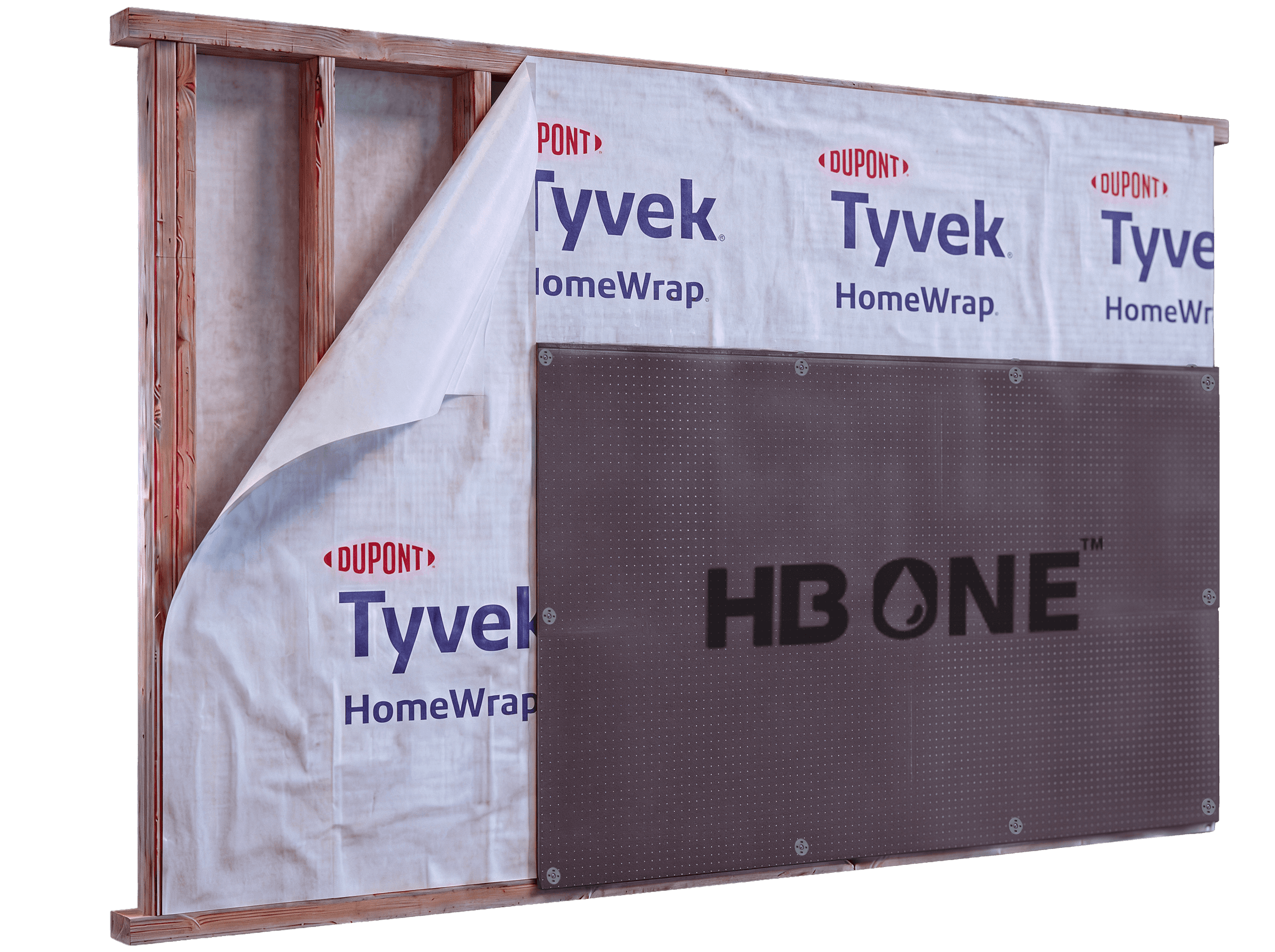
He recommended HydroBlok's HB One Backer CI.
A Systems Approach to the Exterior Wall
The project illustrates a shift in how builders are thinking about the exterior envelope. Not as stacked layers of separate products. Instead, as an integrated system that reduces variables and improves predictability on the jobsite.
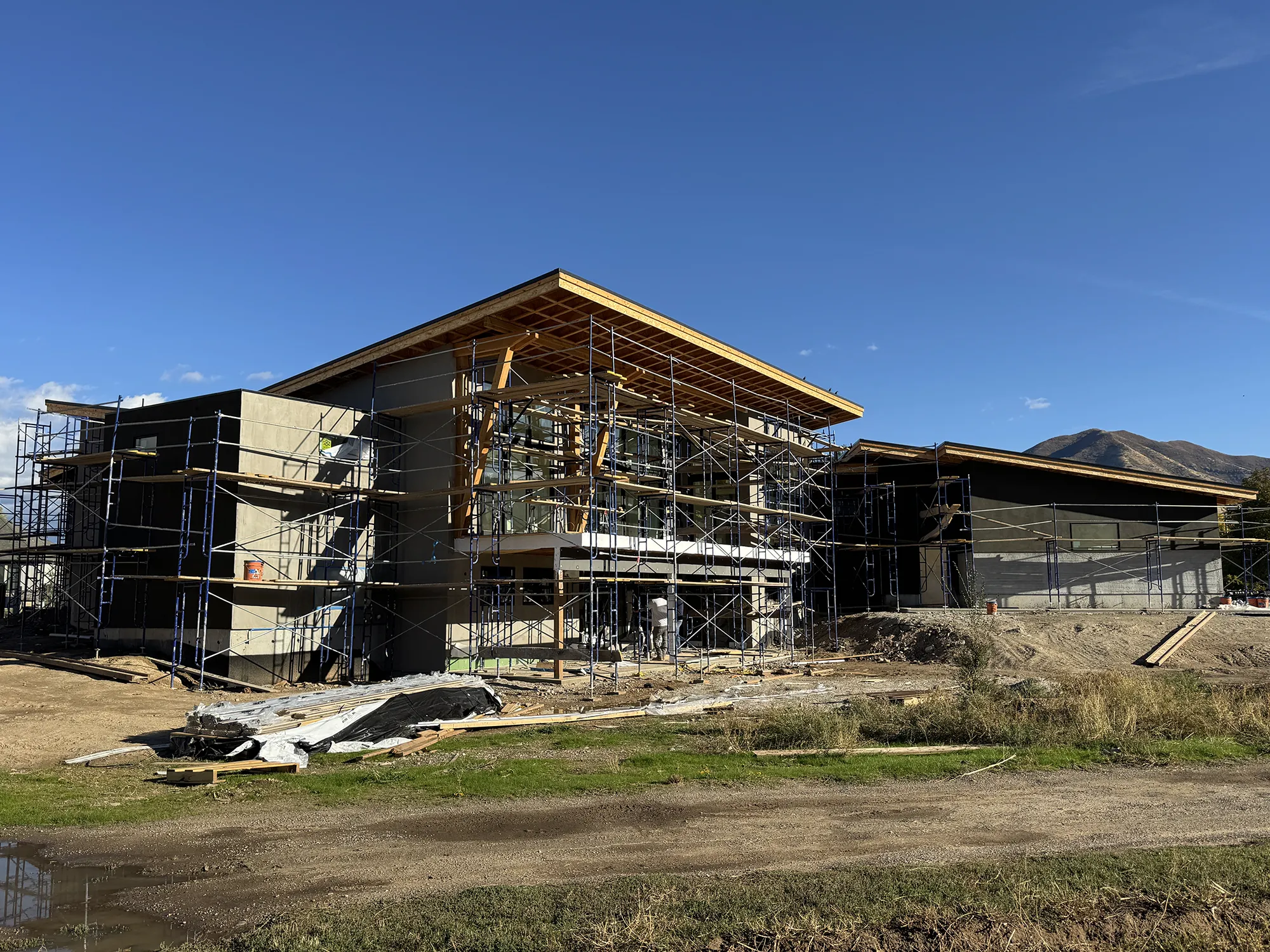
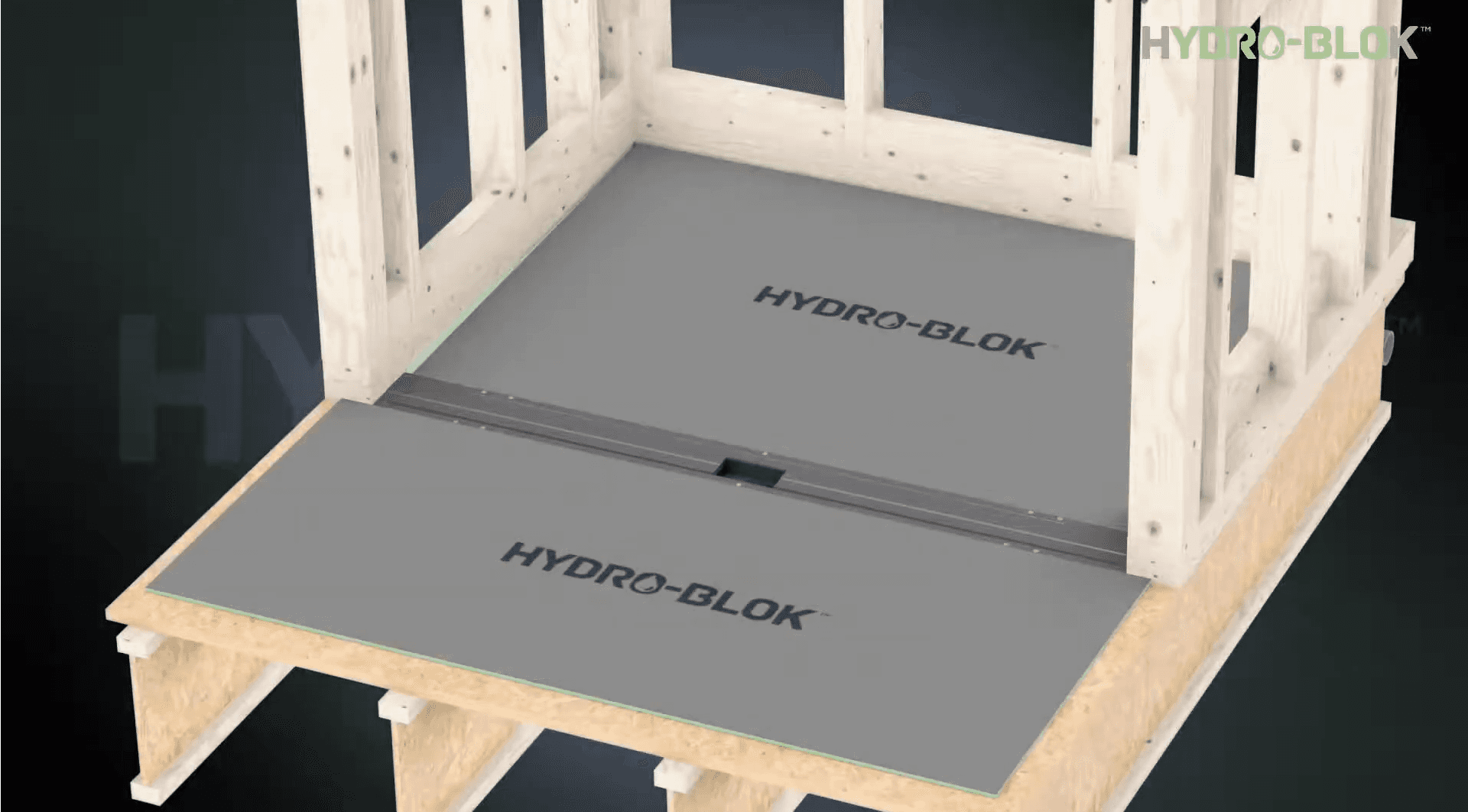
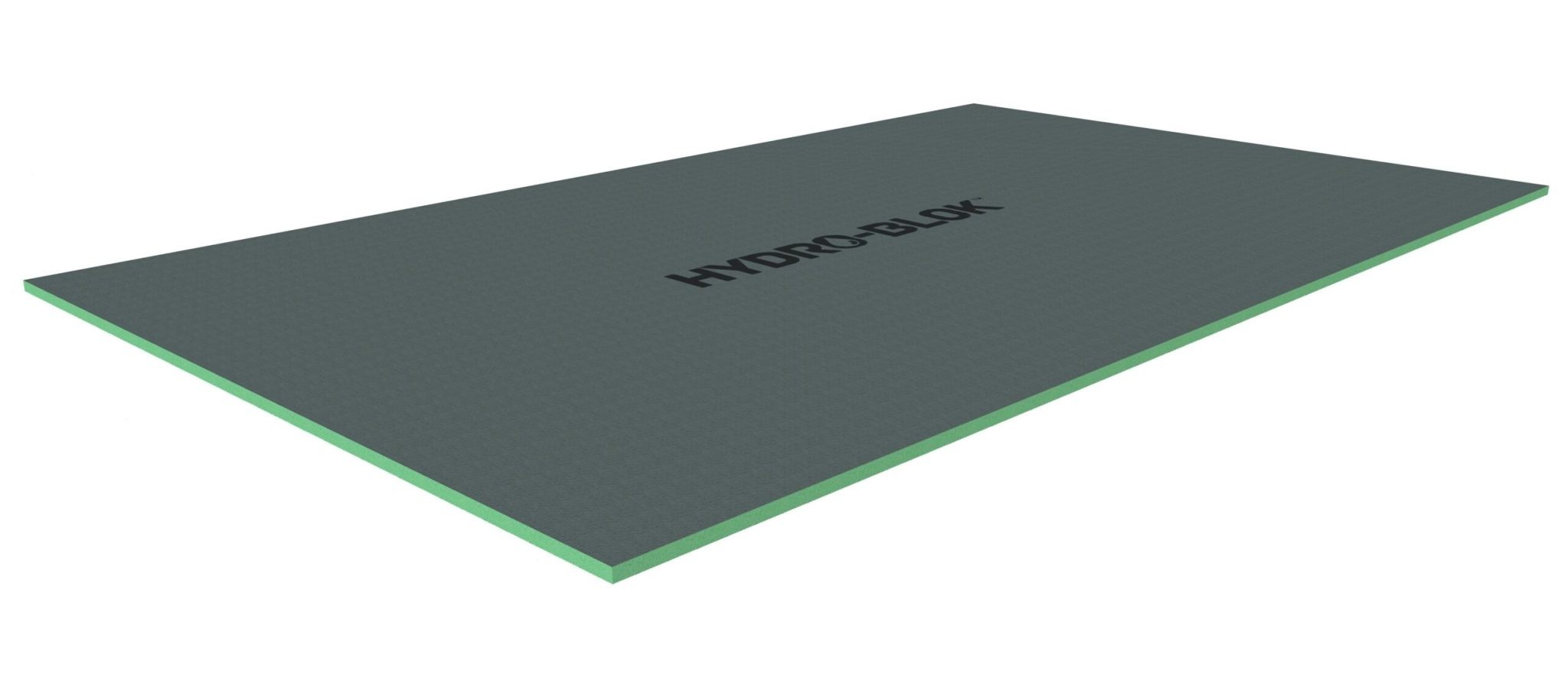
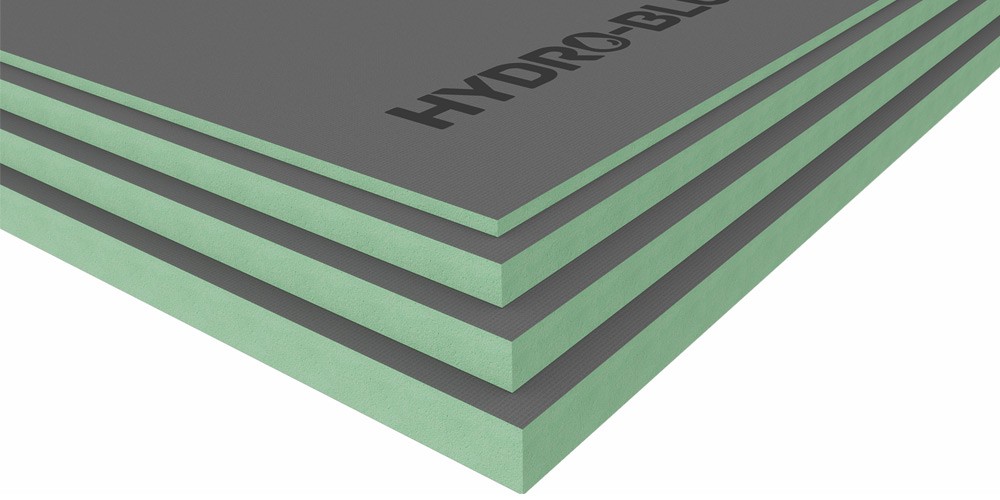
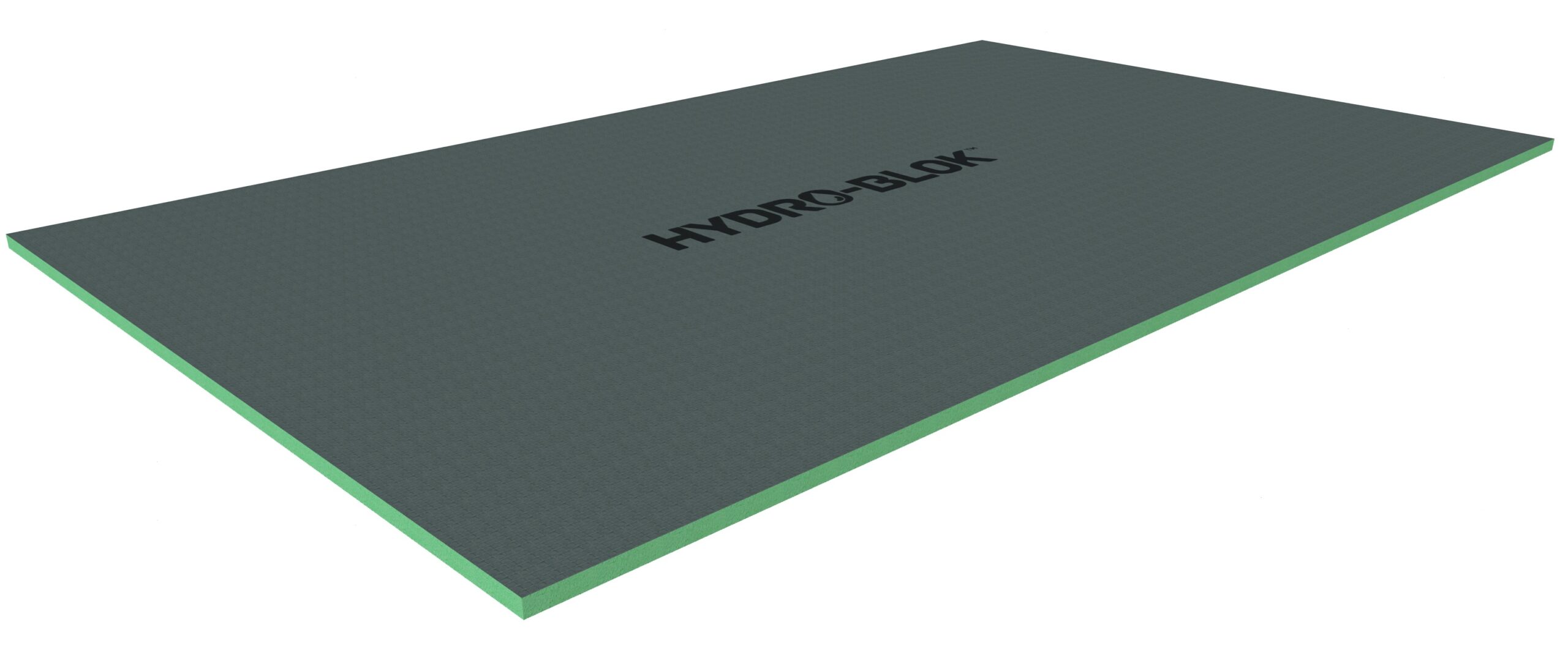
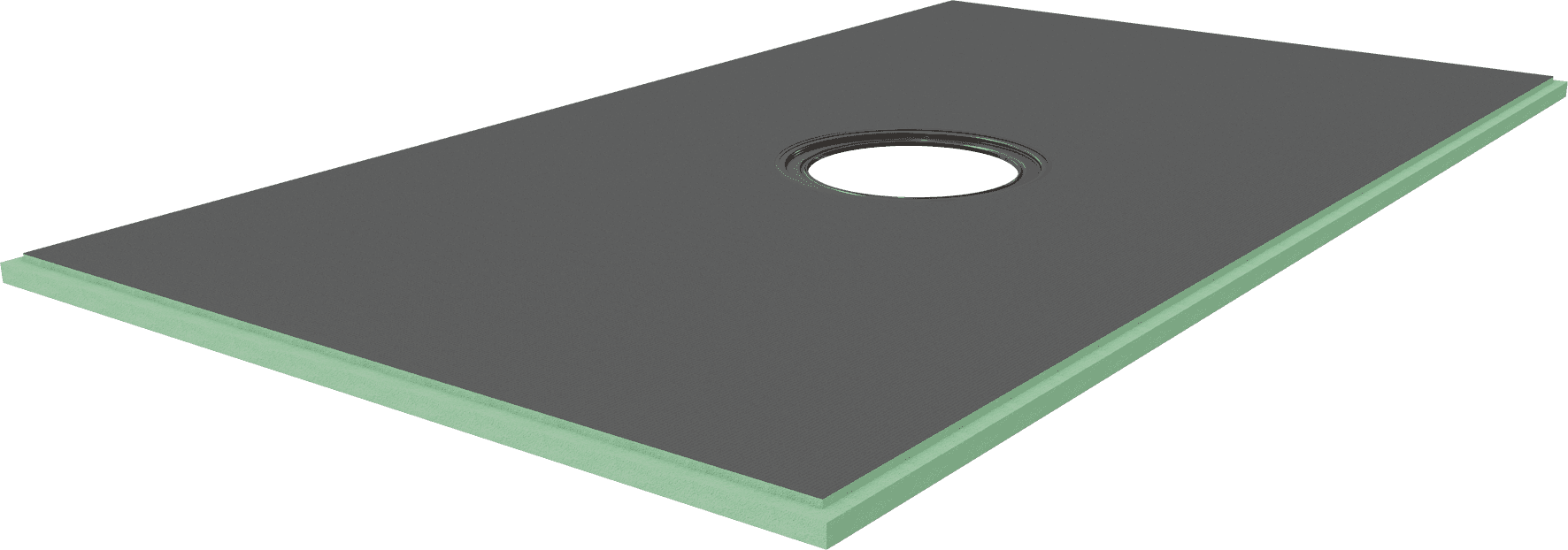
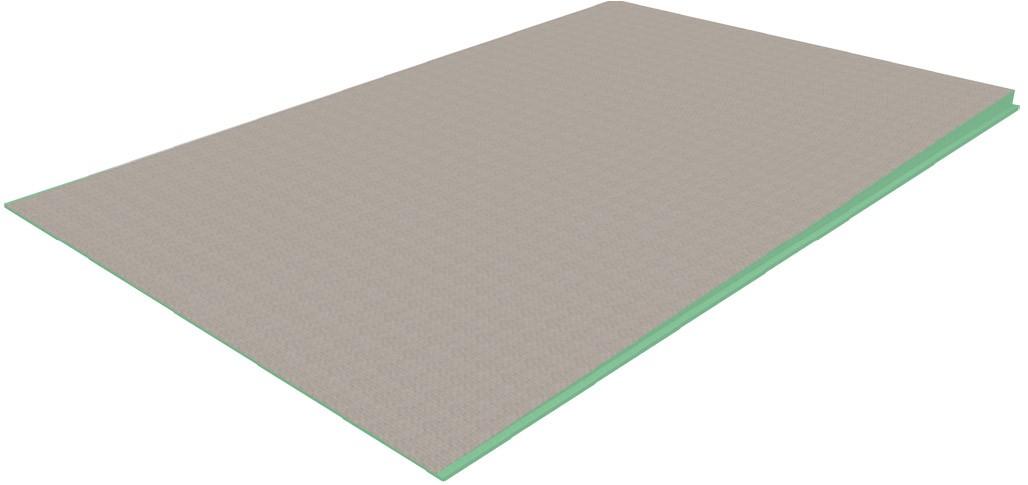
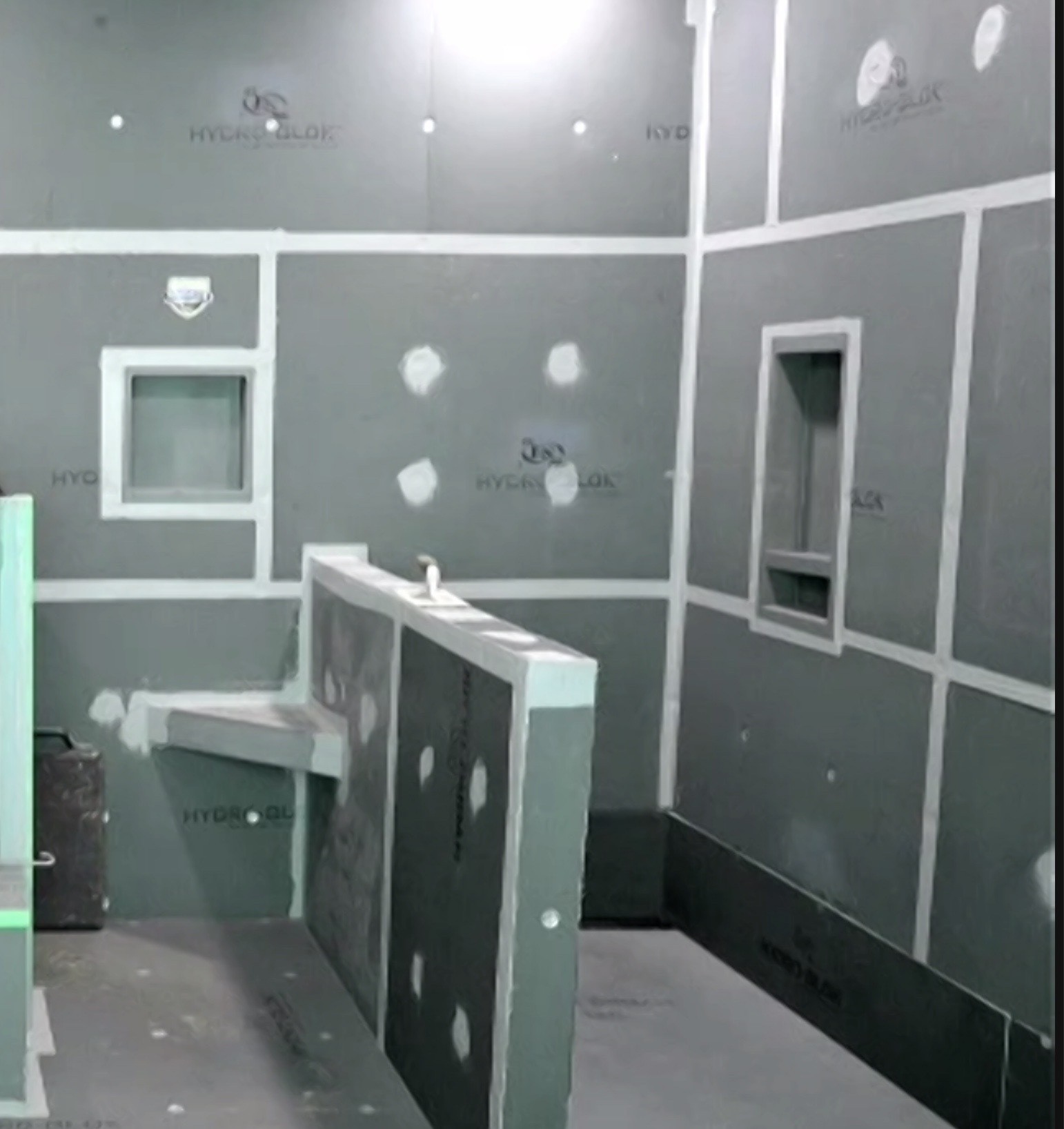
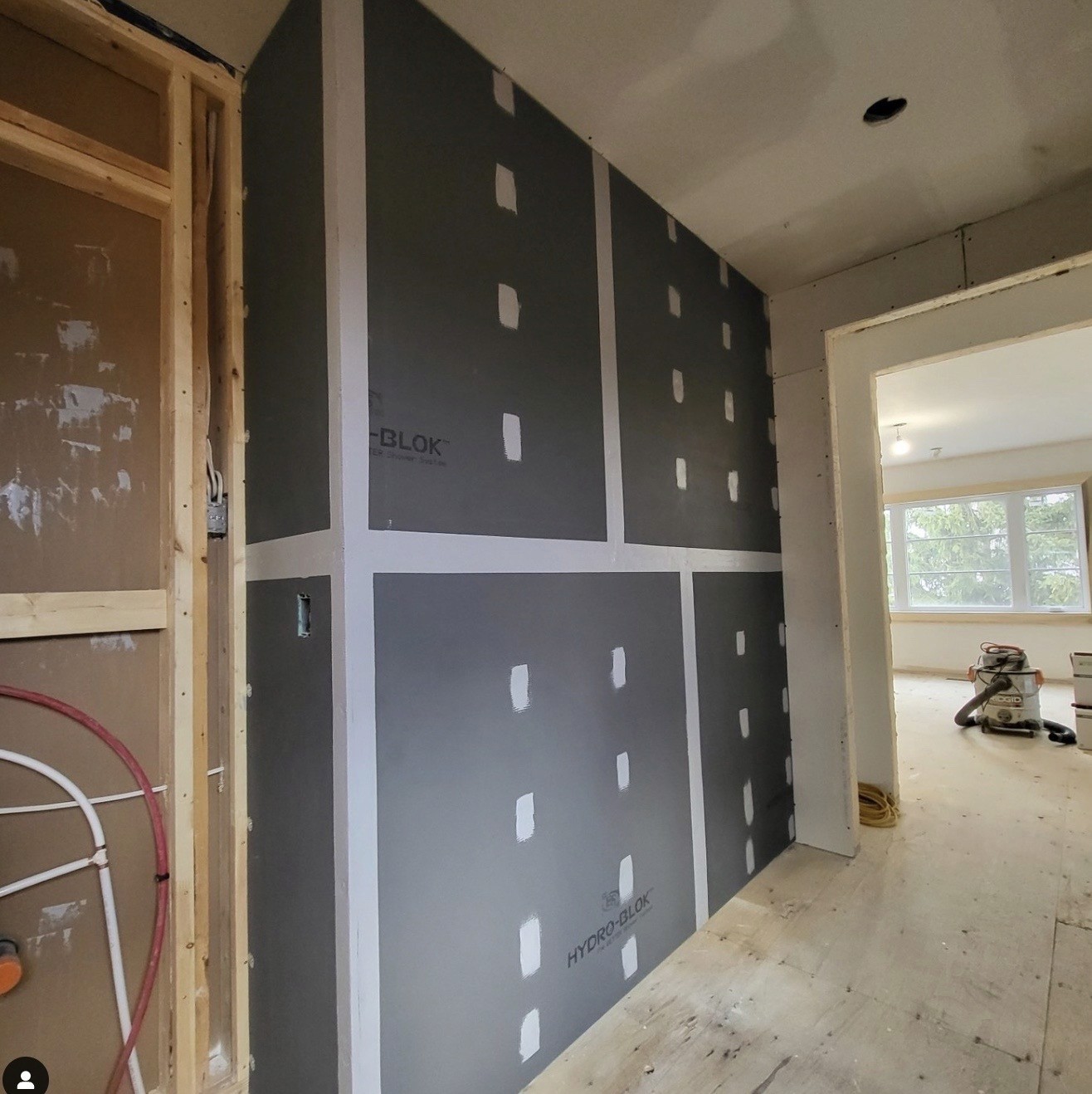
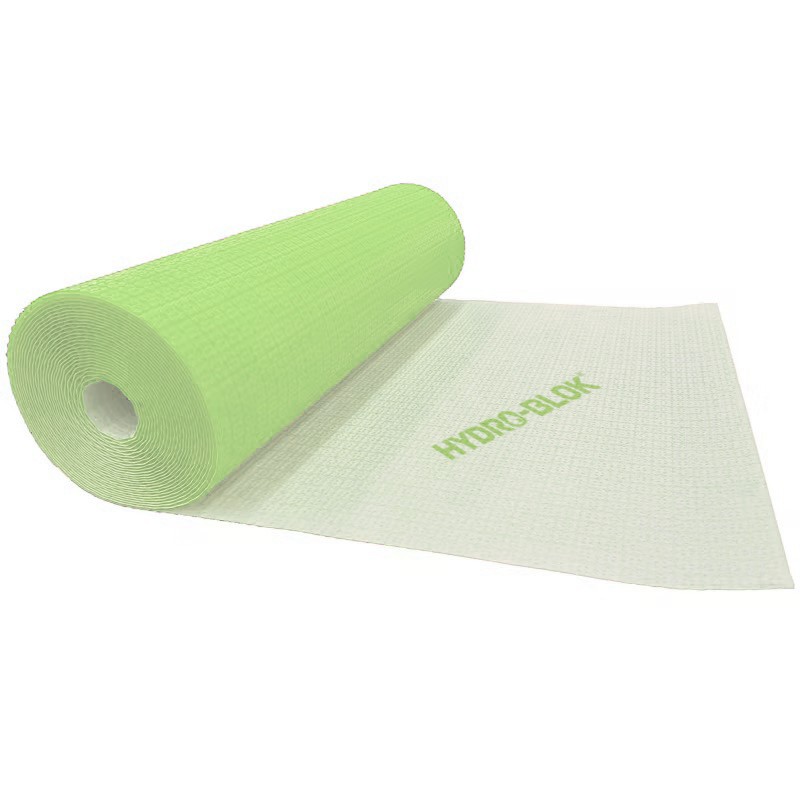
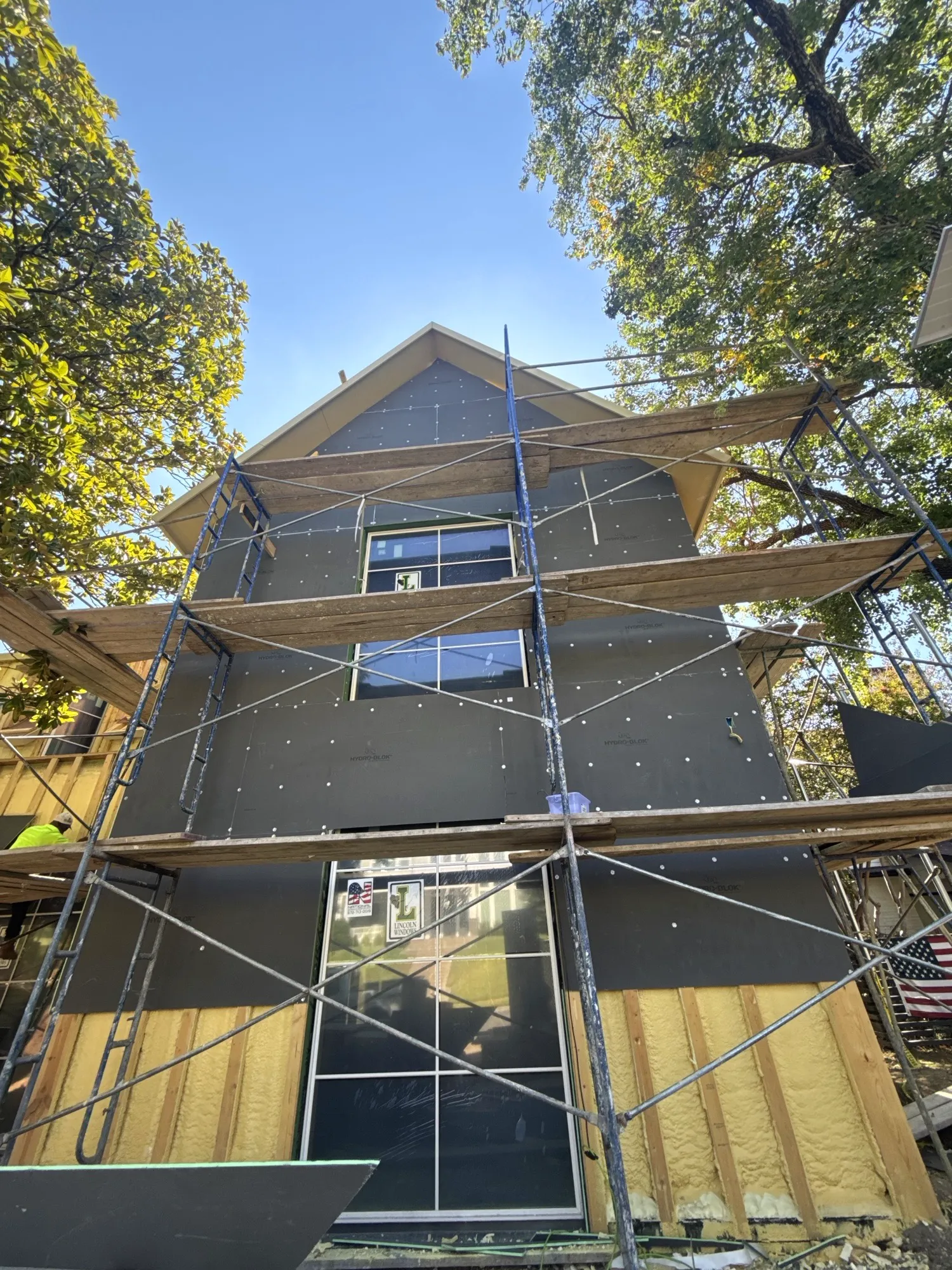
HydroBlok's HB ONE Backer CI combines five components into a single board: Structural Sheathing (Non-Shear), secondary WRB, continuous insulation, lath, and scratch coat. That integration eliminates wire lath entirely... one of the most inconsistent variables in stucco application. What's more, the innovative solution gives the plasterer a flat, uniform substrate.
The wall assembly included 2x6 framing with closed-cell spray foam insulation — 5.5 inches in the walls, 7 inches in the ceilings — with the HydroBlok system on the exterior. The result: a wall assembly approaching R-40, roughly double the R-value of a traditional assembly.
The pairing of interior spray foam and exterior continuous insulation didn't just meet energy code requirements — it significantly exceeded them.
"Fewer layers is always an advantage," Steve explained. "Anytime you can eliminate layers, you eliminate potential mistakes and increase overall building performance."
The Perfect Canvas
RP Plastering, Betsy's experienced stucco subcontractor, tackled the stucco application and used HydroBlok for the first time. What stood out wasn't the insulation value, the weight, or the layers it replaced... it was the finish.
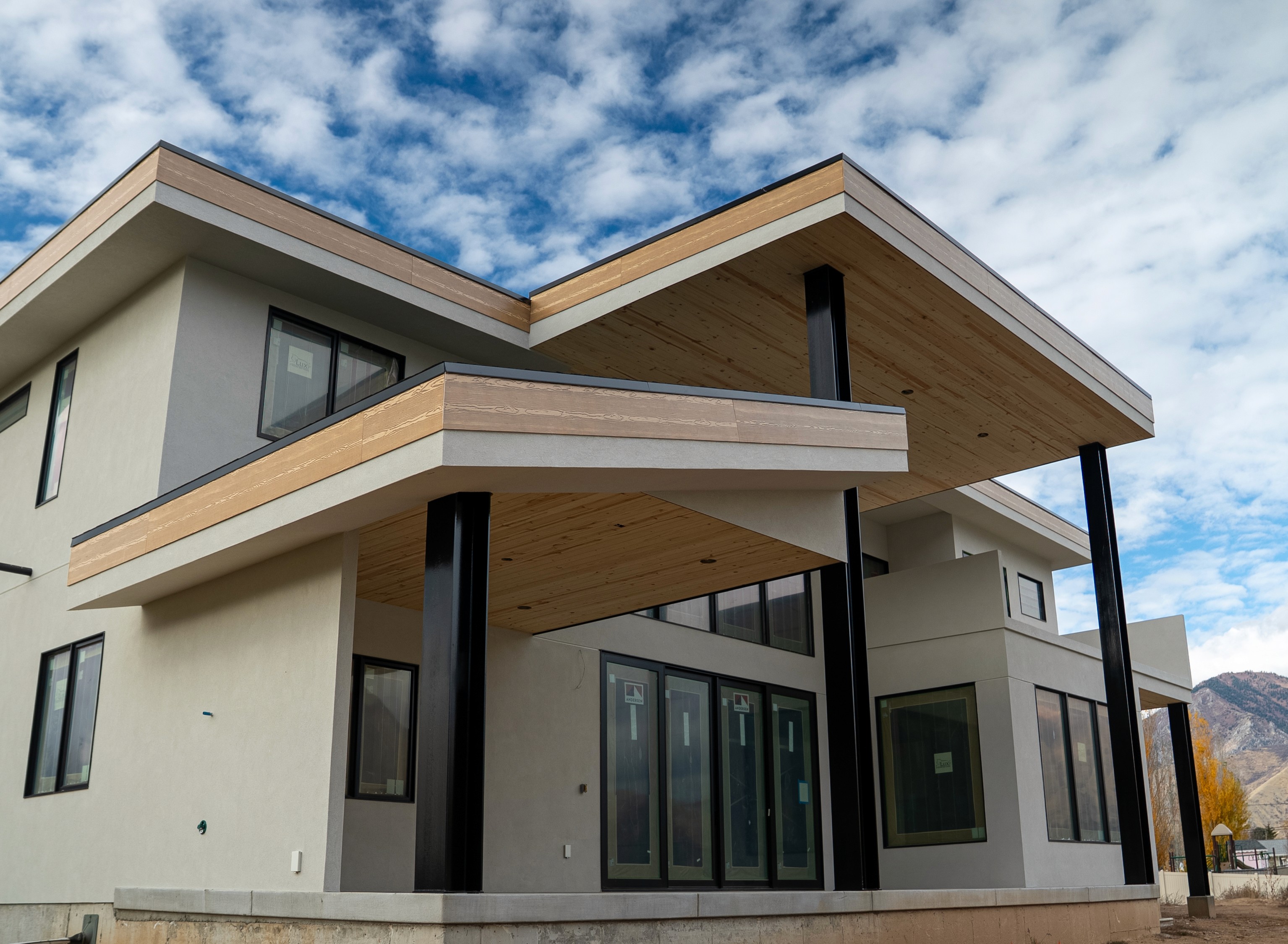
The HydroBlok panels provided a flat, consistent substrate. In fact, the surface provided a "canvas" that translated directly into the finished wall. The corners met cleanly at every edge. The result was sharp lines — and a level of precision — that both Betsy and Steve noticed immediately.
"Those walls are flat and straight as any construction project I've ever seen in my 30+ years."
— Steve Easley, Building Science Consultant
The contrast was visible in real time. On a home nearby, another crew was applying stucco the traditional way — wire lath, multiple coats, the standard process. The difference in finish quality was stark.
Betsy put it simply: "Even the scratch coat looks amazing. If you had two houses next door to each other, I think you could tell which one was the HydroBlok house and which one isn't... just by looking at the stucco finish."
In fact, the scratch coat, a base layer that's typically just functional, provided a uniform surface resembling a finished product.
Word spread quickly. Throughout the project, builders and stucco installers visited the jobsite to see HydroBlok applied in a real-world setting — proof that the industry is paying attention to what integrated systems can deliver.
Performance Beyond Expectations
Building a high-performance home in the Arizona desert means designing for extremes. "Temperatures regularly exceed 110°F. And while they only receive about 11 inches of rain per year, it can be very intense," Betsy explained. "We don't get a lot of rain, but when we get it, it's a massive amount."
The exterior envelope must handle both blocking heat and withstanding sudden, heavy moisture.
The results exceeded expectations for both conditions.
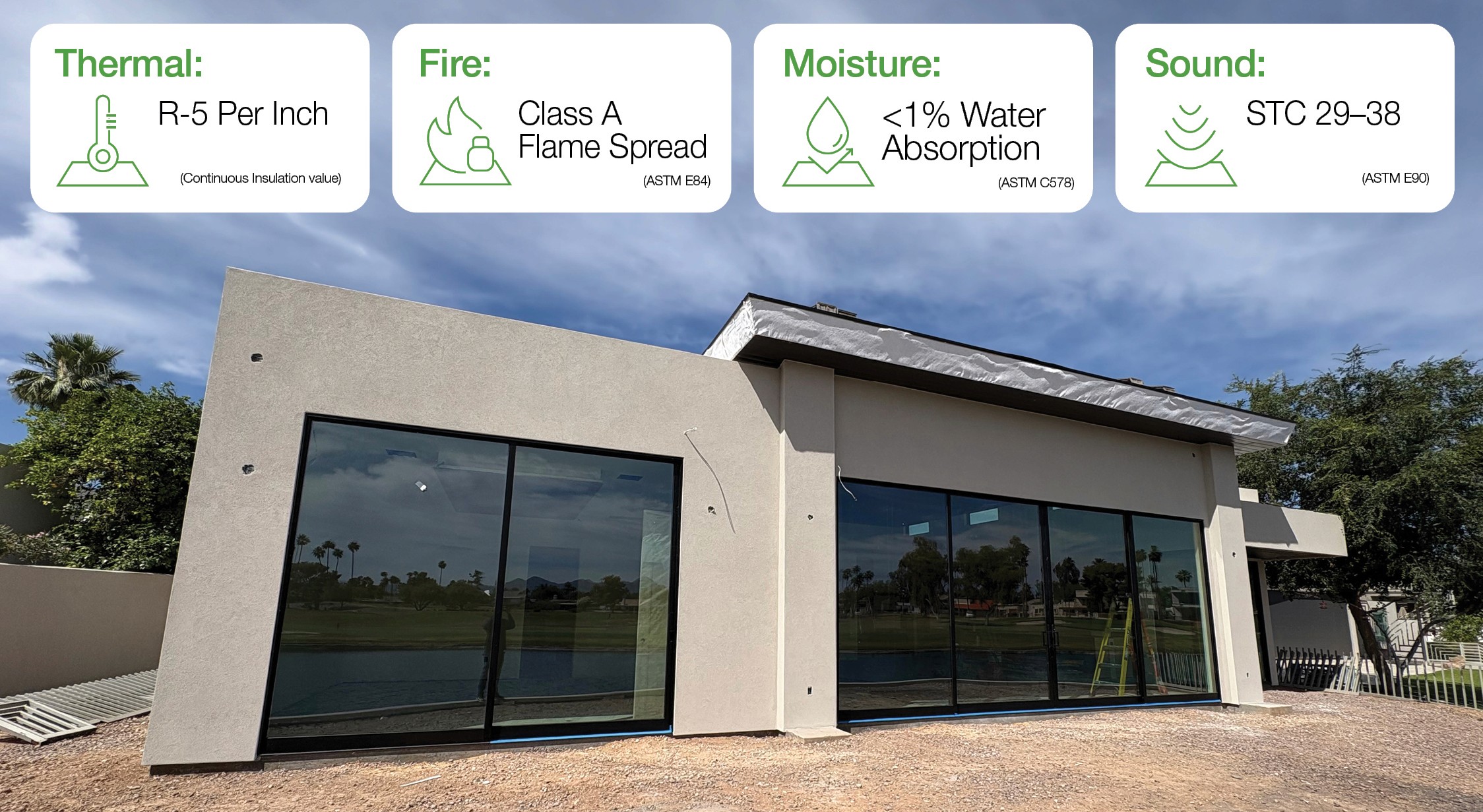
When exterior temperatures hit 105°F, the interior of the home sat at approximately 72°F... with no HVAC running and the garage door still open. The envelope was so tight that Betsy added dedicated fresh air ventilation to ensure proper air exchange. Without it, the house simply wouldn't have provided for adequate circulation.
"Deafeningly quiet."
— Betsy Olson, Builder & Owner
And then there was the noise reduction. With 5/8" drywall, closed-cell spray foam on the interior and HydroBlok's continuous insulation on the exterior, the wall assembly created a double barrier — not just against heat, but against sound.
Why it Matters
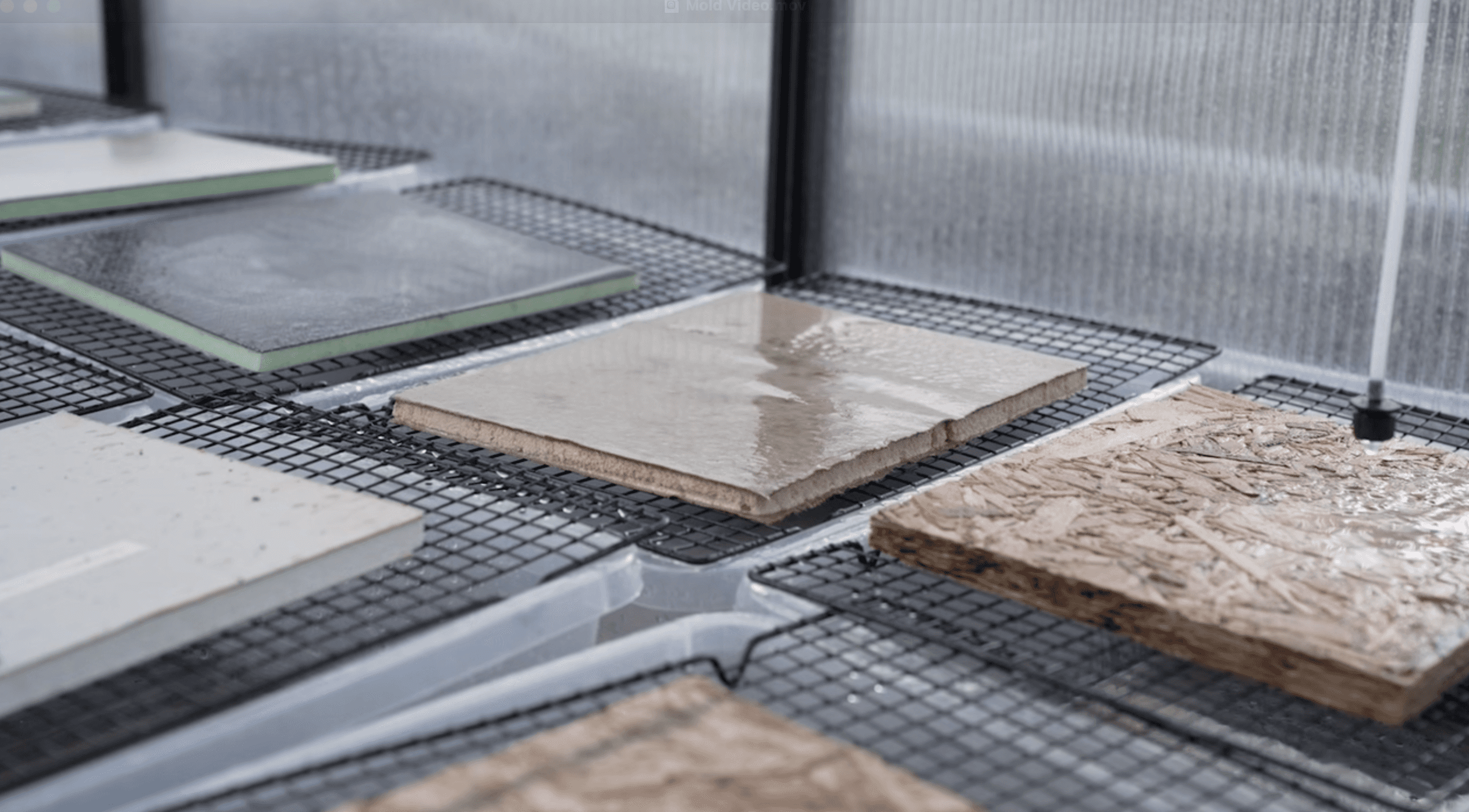
The HB ONE Backer CI system addressed multiple priorities for this project. The R-5 XPS foam core provides superior moisture management compared to traditional assemblies... with resistance to water uptake that holds up when the rare, heavy rains arrive. The continuous insulation addresses thermal bridging at the studs, providing consistent thermal performance across the entire exterior envelope. And the system does not support mold growth... providing lasting peace of mind.
But perhaps more importantly, the integrated approach simplified the construction assembly process. By combining structural sheathing (non-shear), secondary WRB, continuous insulation, lath, and scratch coat into a single board — the system reduced variables while creating more consistent performance on the jobsite.
The result wasn't just efficiency. It was quality.
When every layer is engineered to work together, the outcome is more predictable. And in construction... consistent expectations are critically important.
When Professionals Build for Themselves
There's a particular significance when industry professionals stake their own family's comfort on a building system. Betsy Olson has built hundreds of homes over 25 years. Steve Easley has performed thousands of jobsite quality surveys. When the project is personal, when trade professionals will be the ones who will live with the results... the standard is different.
Both chose HydroBlok.
The McCormick Ranch project reflects a broader shift in residential construction: an industry moving from line-item product selection toward integrated system thinking. The HB ONE Backer CI system worked because it was treated as a coordinated solution — one that delivered not just on performance metrics, but on the kind of finish quality that experienced builders notice immediately.
The takeaway is clear. When builders view the exterior wall through a "systems" lens, they can better anticipate moisture management, thermal performance, and finish quality. All while reducing the variables that lead to callbacks and compromises.
In the context of custom residential construction — where quality and durability are constant priorities — the results at McCormick Ranch provide a strong promise: the biggest gains won't come from shaving cents off materials. They'll come from planning and building smarter from the start.