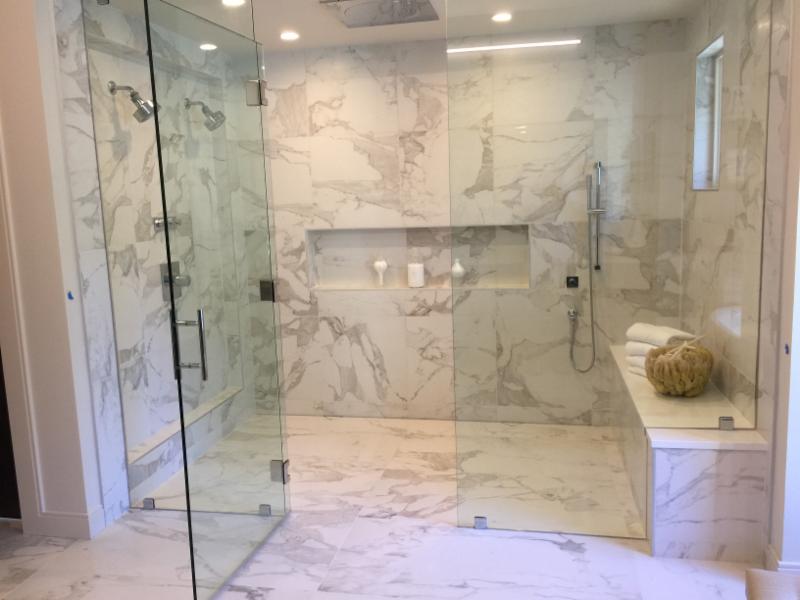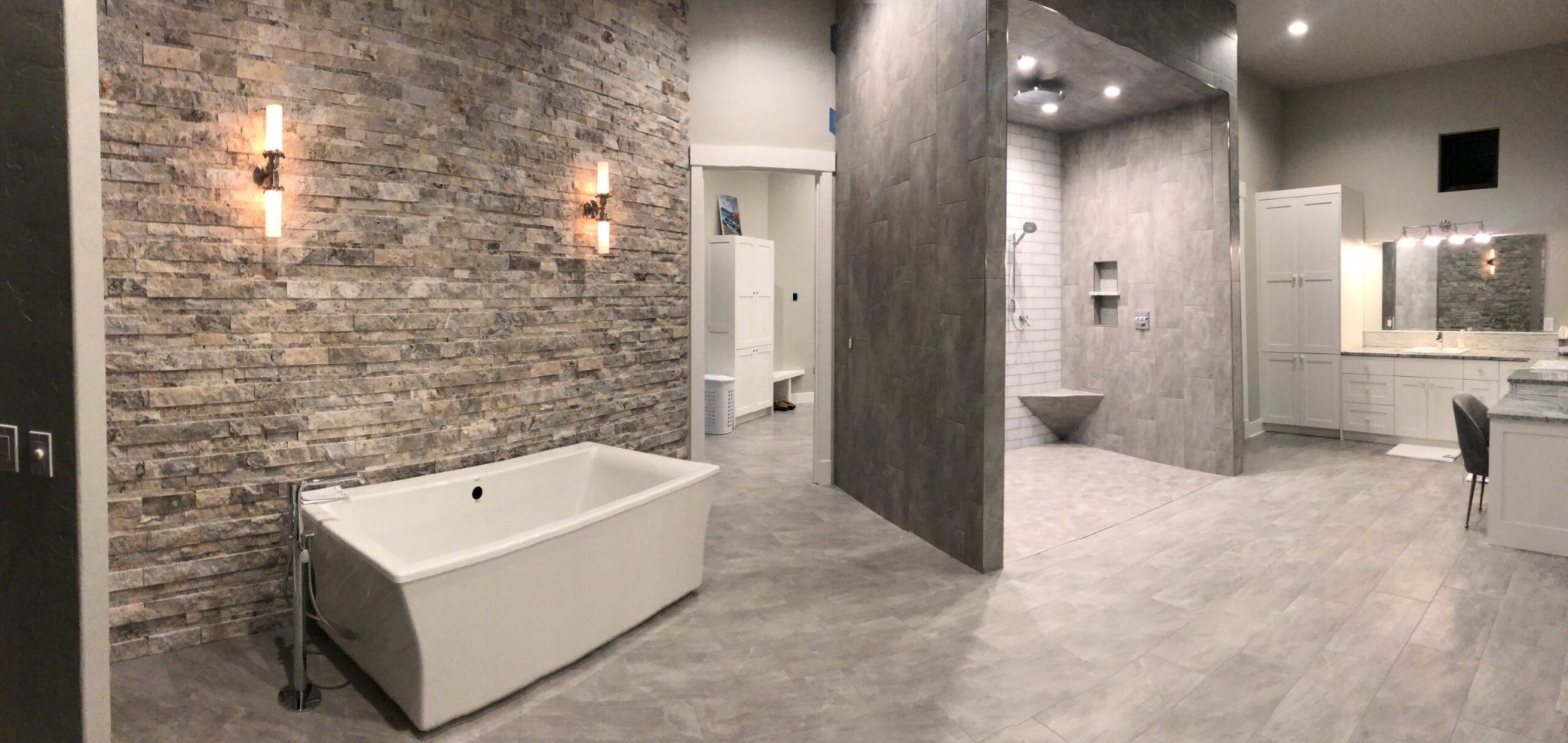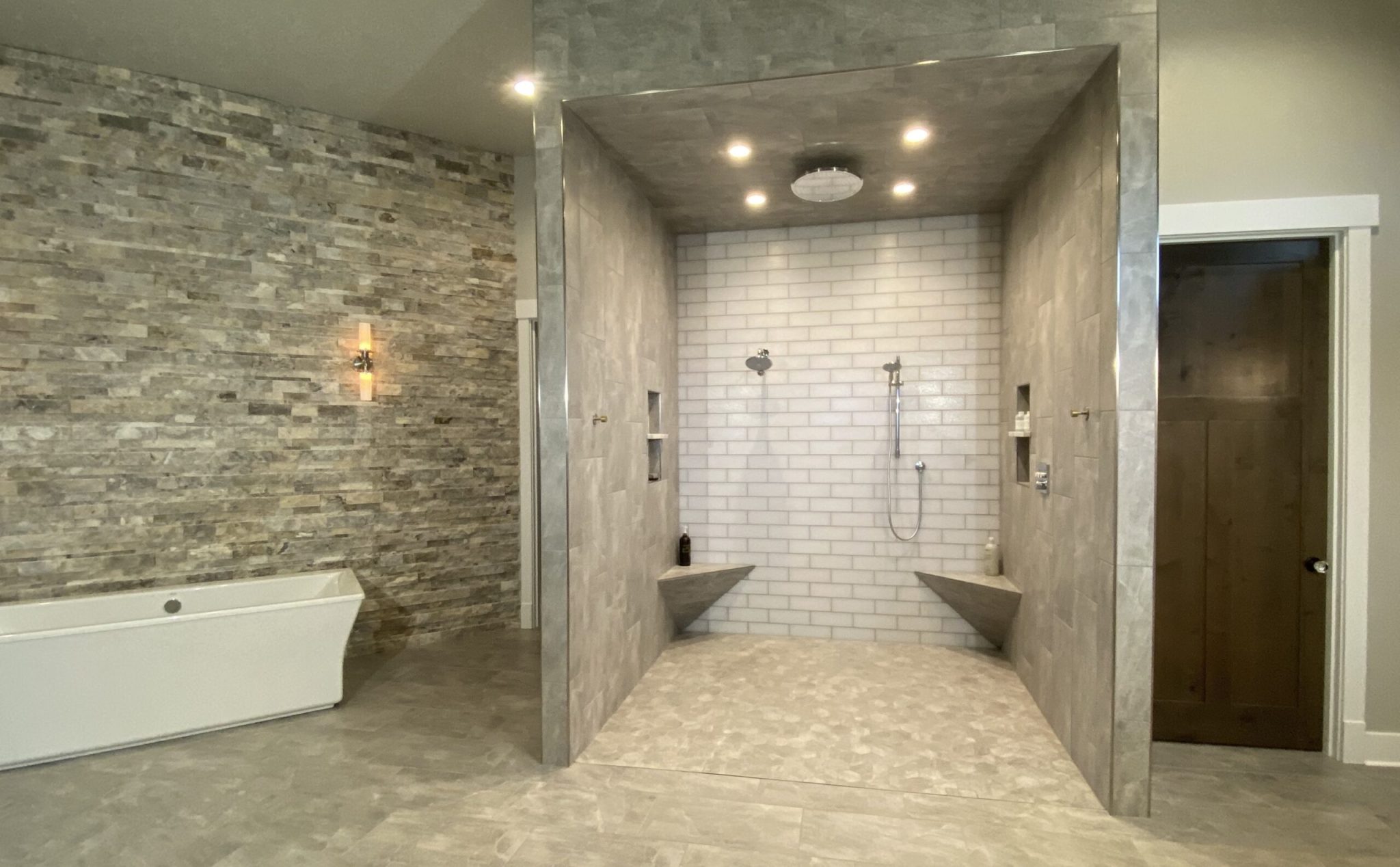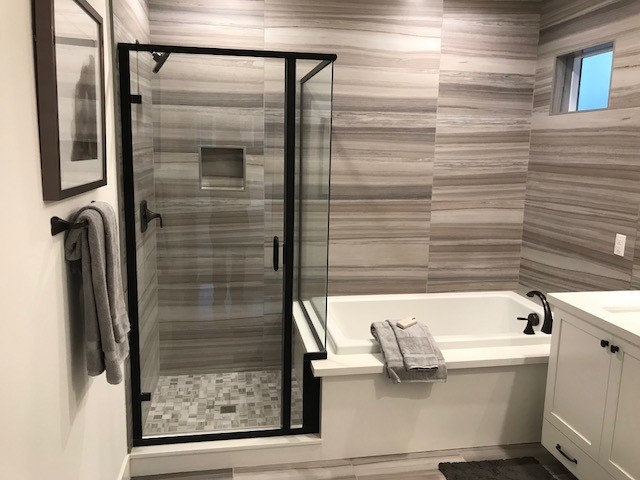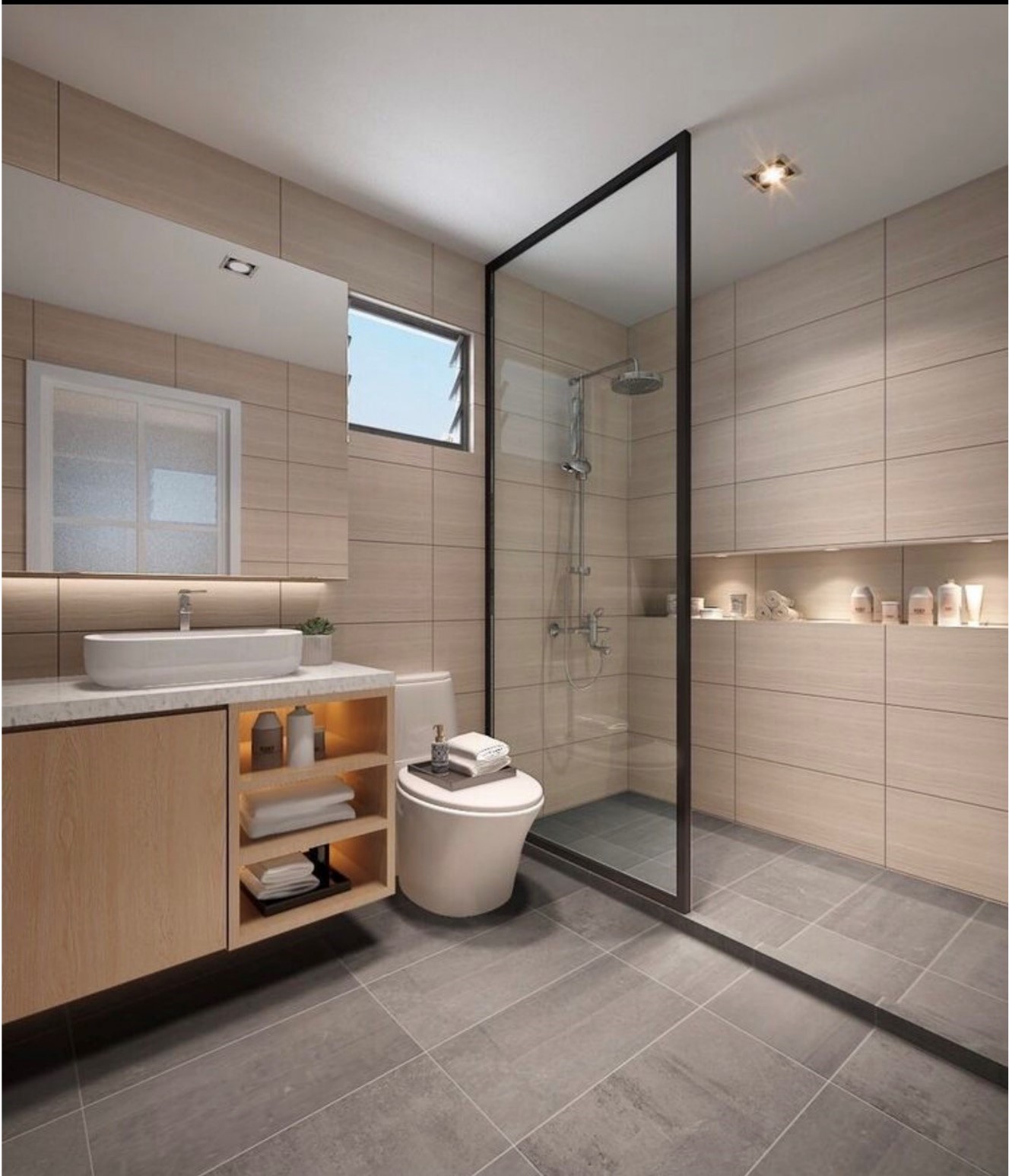
Upgrading to a luxury custom tile shower adds elegance, comfort, and long-term value to your bathroom. Whether you’re envisioning a serene spa-like retreat or a bold architectural statement, every choice—from layout to materials—shapes the final experience.
Envisioning Your Custom Tiled Shower
Defining Your Goals and Inspiration
Before starting, take time to imagine the atmosphere you want your shower to evoke. Think about textures, tones, and feelings—do you want it to feel soothing and airy or bold and energizing?
Establishing this emotional direction helps guide every subsequent decision.
Special Features to Consider
Identify any must-have elements early, such as:
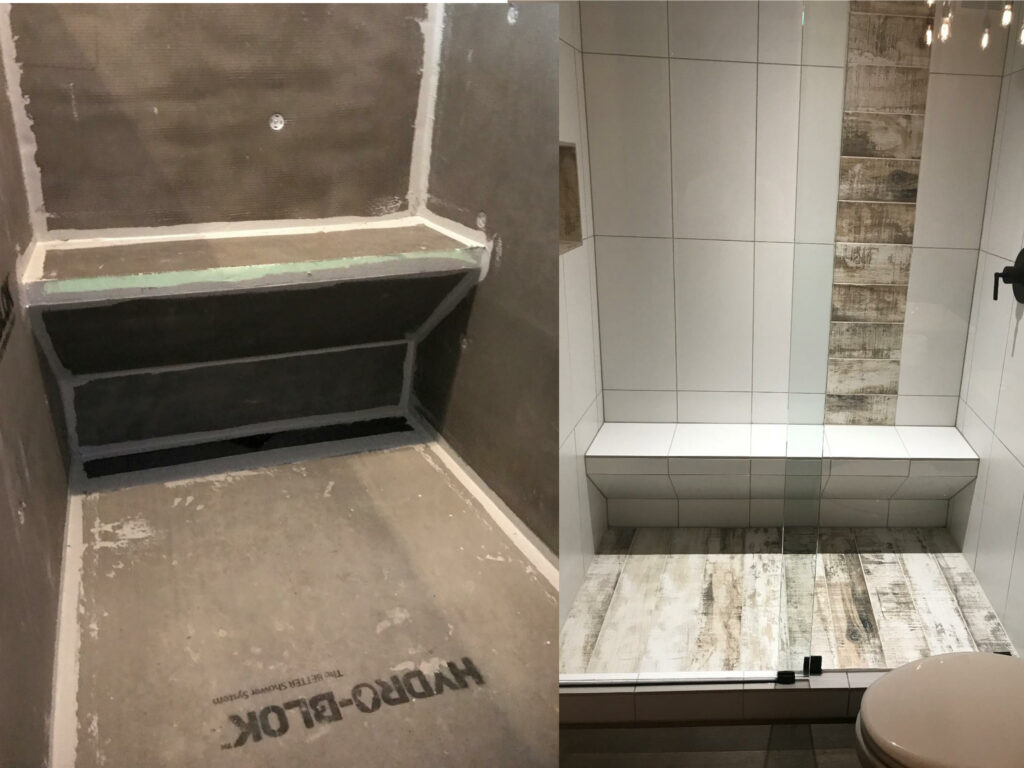
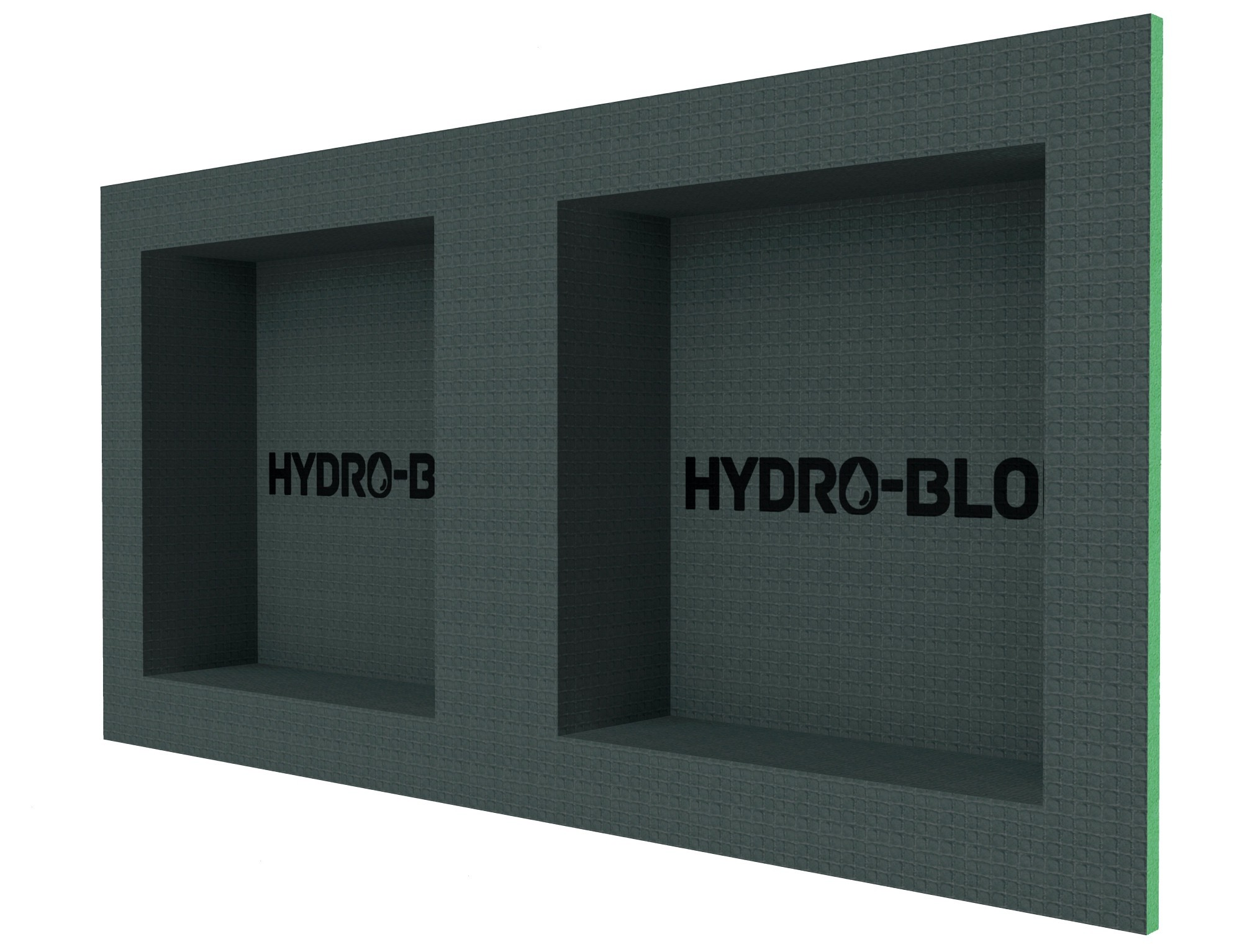
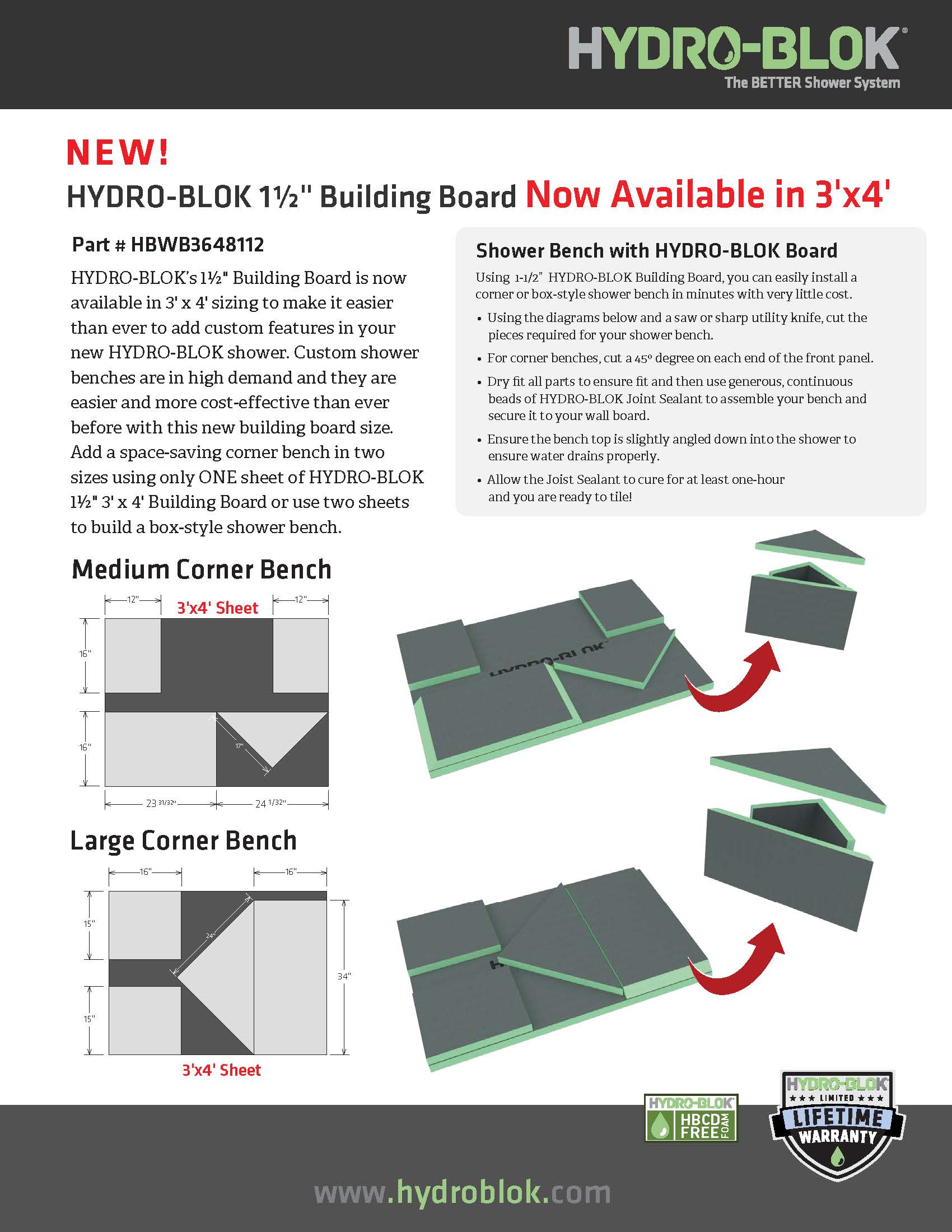
Built-in benches or niche shelving
Multiple showerheads or rain systems
Accent tiles, patterns, or borders
By clarifying these up front, you prevent costly rework later in the project.
Balancing Dreams with Budget
While customization gives you freedom, it’s crucial to maintain realistic budget expectations. Consider the full cost of materials, labor, waterproofing, and fixtures—not just the tile itself.
Focus your spending on details that truly elevate your experience.
Developing Your Custom Tile Shower Design
Step 1: Determine the Footprint
Factor in your bathroom’s dimensions, plumbing layout, and local building codes.
Common sizes include:
Standard showers: 30–48" deep, 32–60" wide
Compact neo-angle layouts: as small as 32" x 32"
Spacious walk-ins: 5' x 5' or larger
Step 2: Choose a Door or Entry Style
Your access style sets both the look and functionality of your shower:
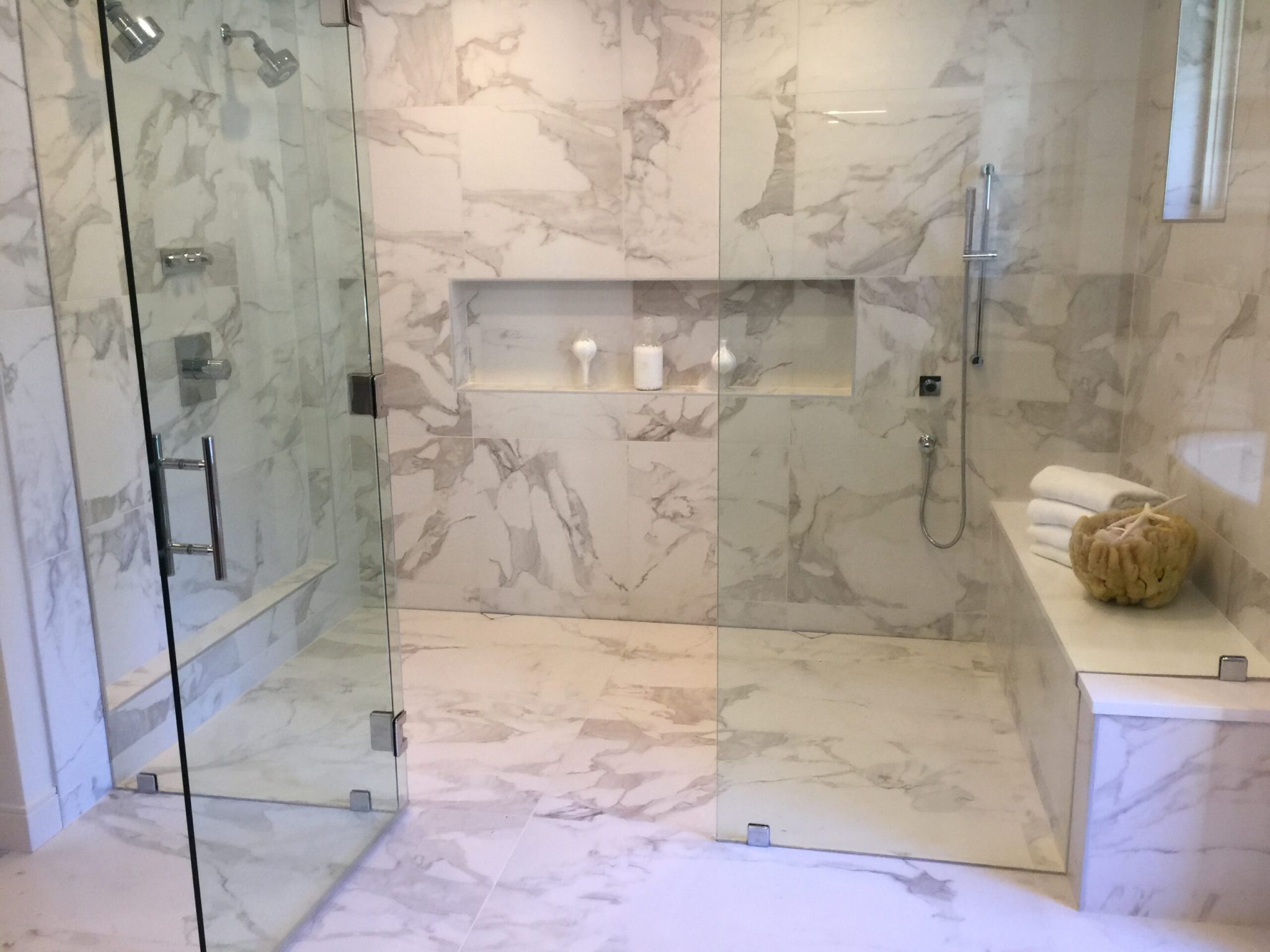
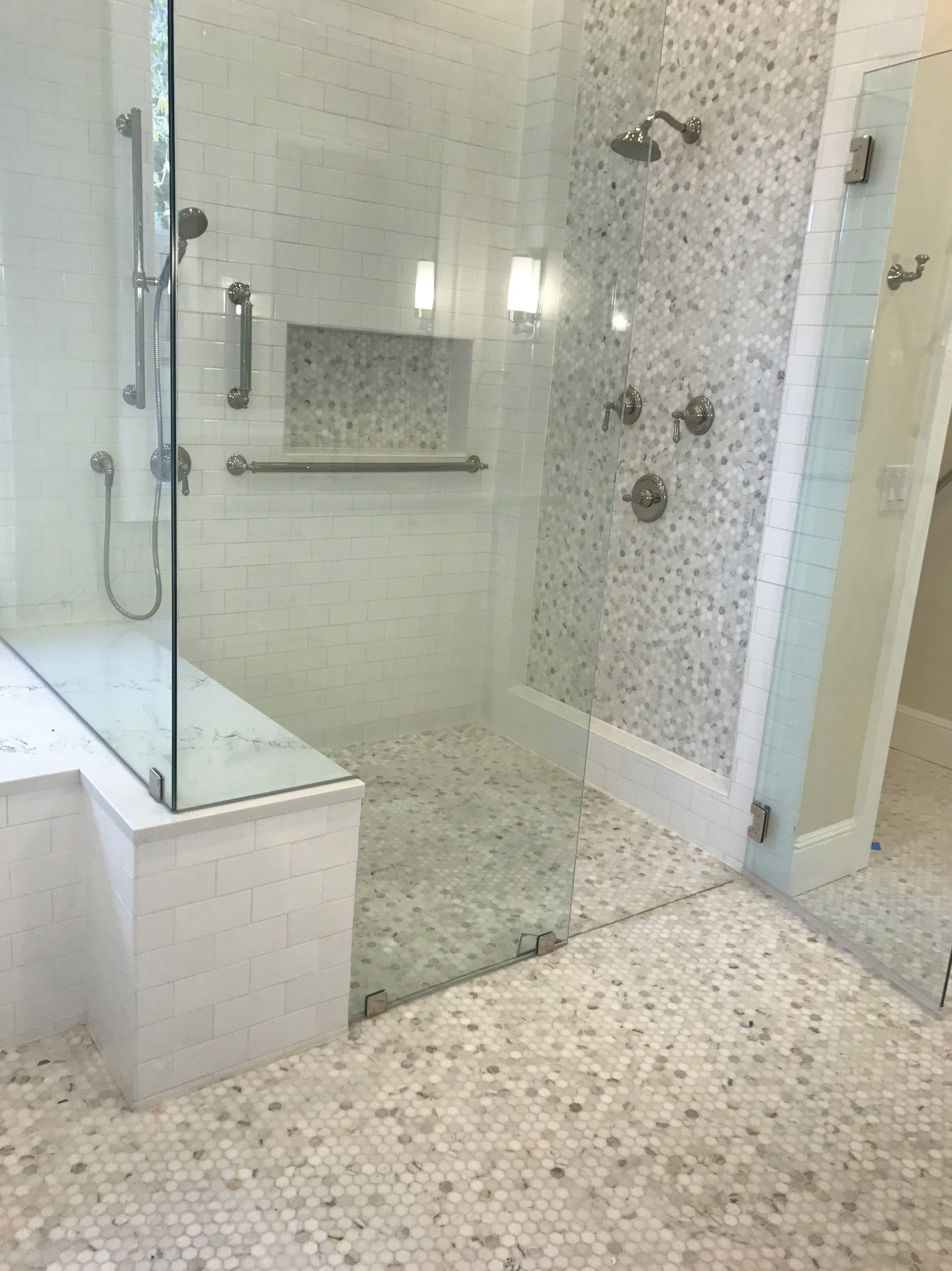
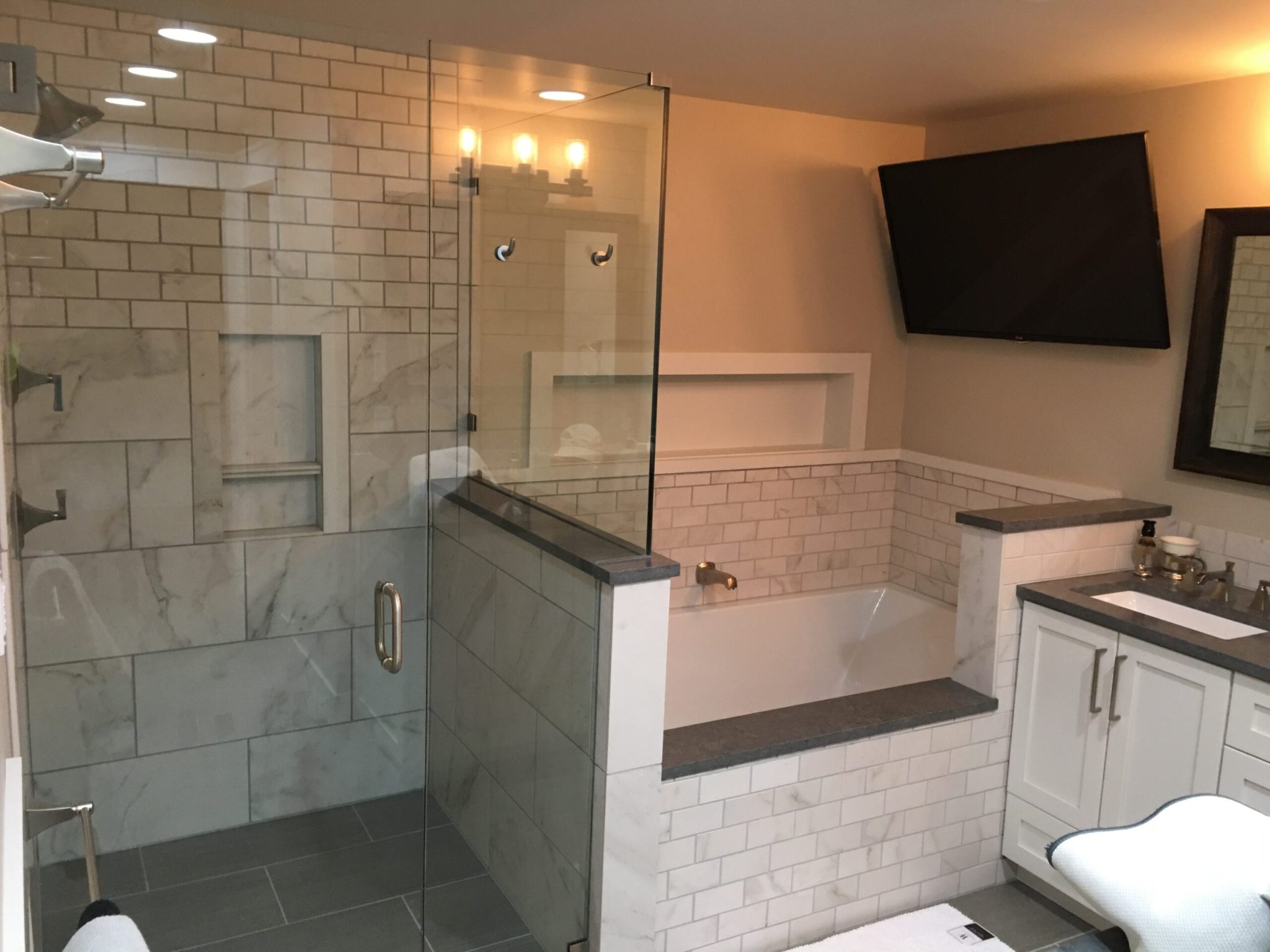
Frameless glass doors for open visibility
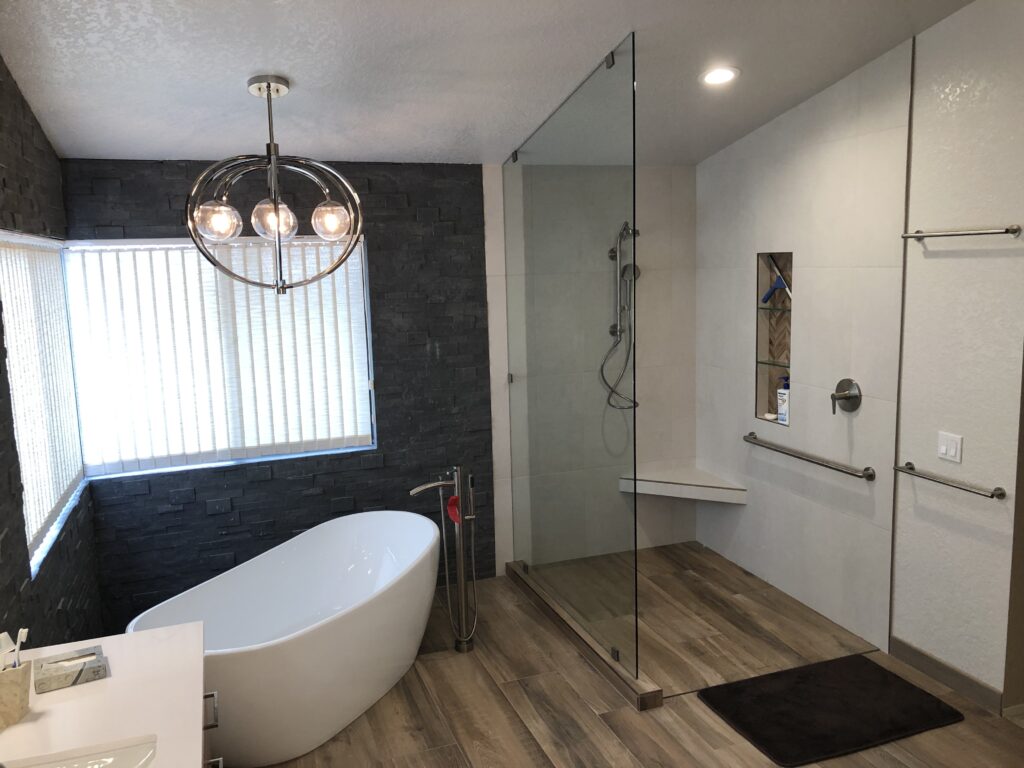
Partial glass panels with walk-in entry
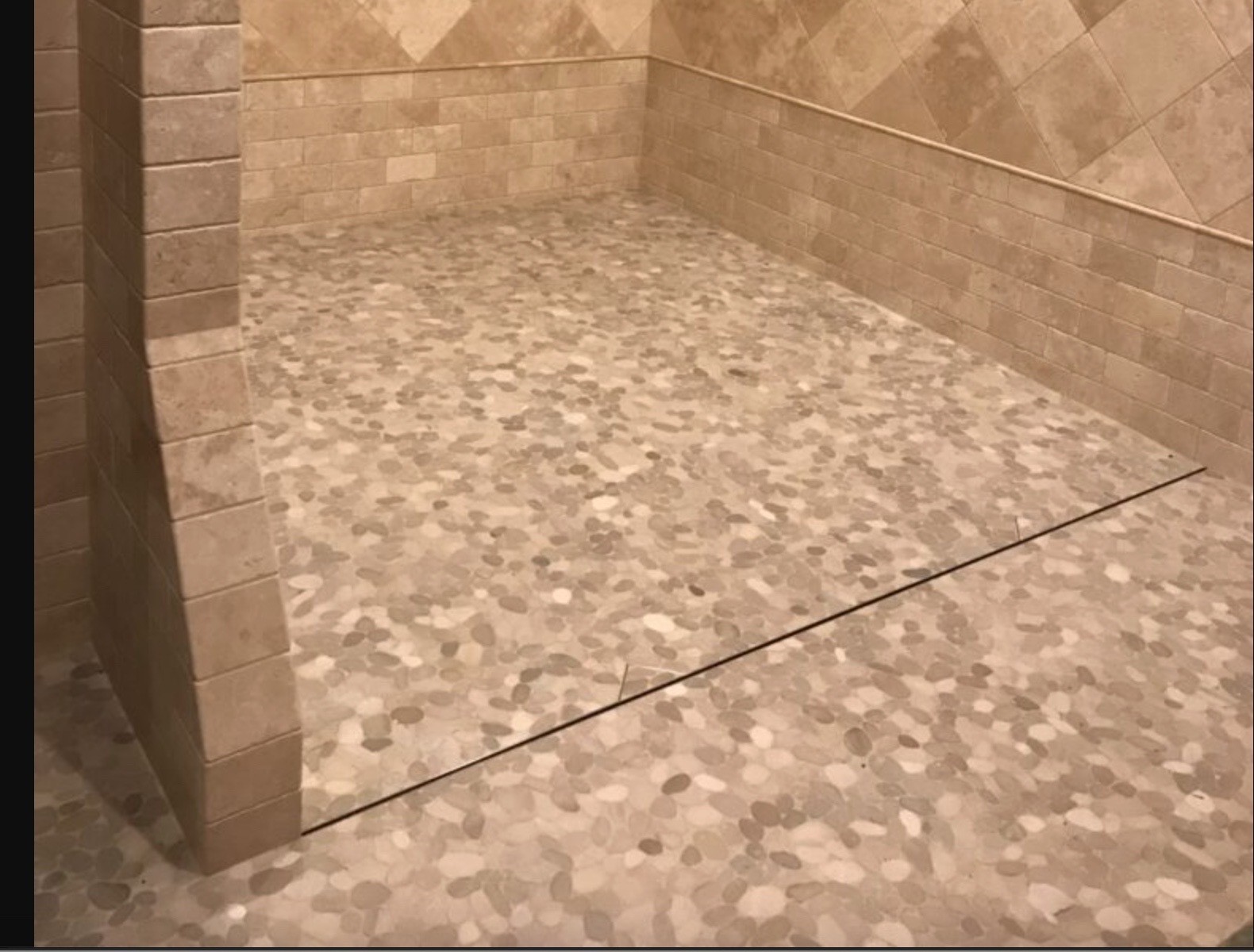
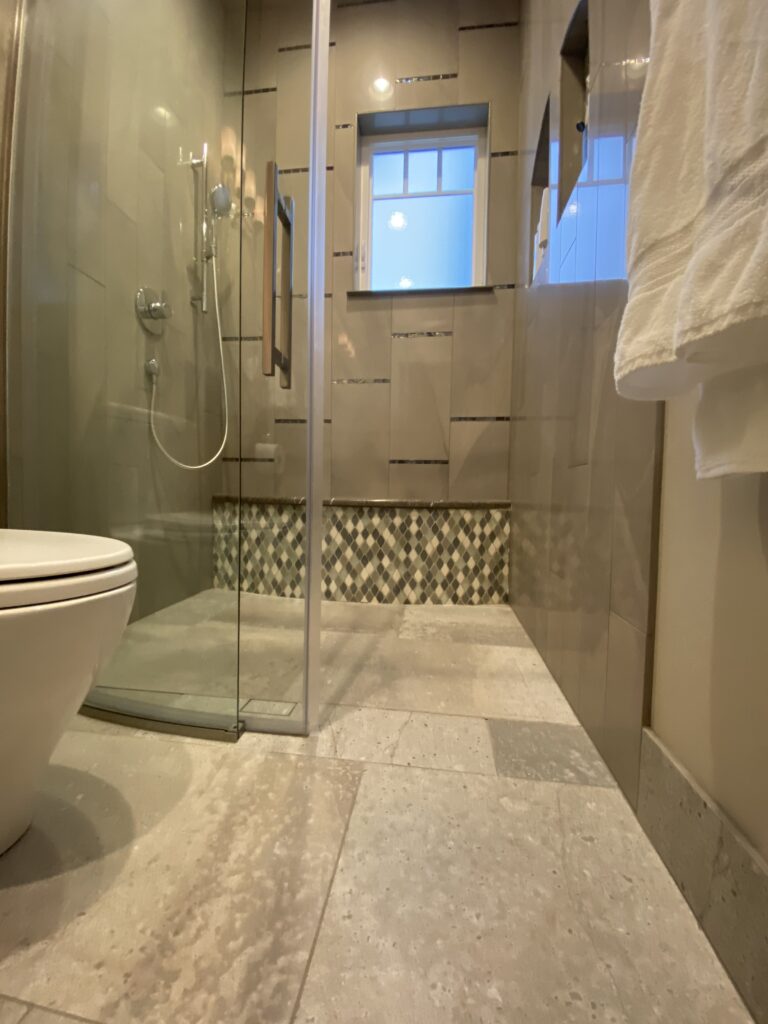
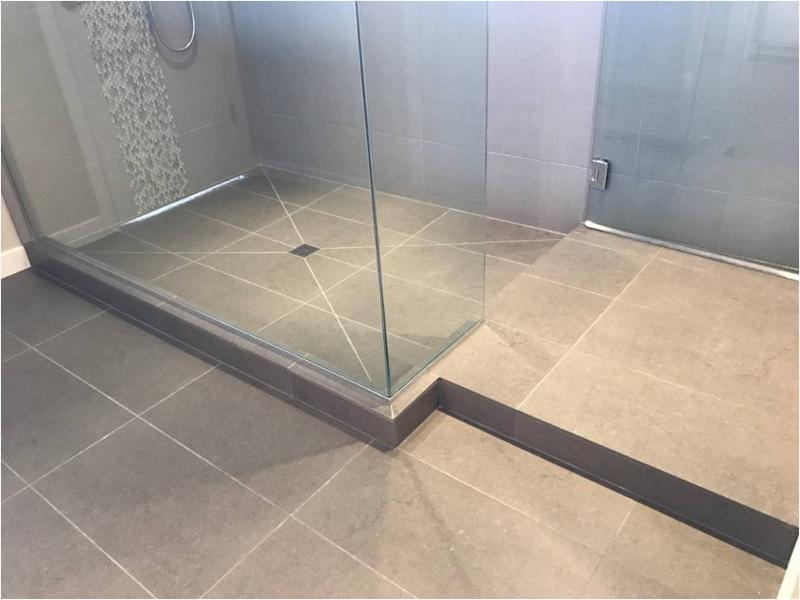
Curbless designs for accessibility
Curtains for a simple, flexible solution
Step 3: Select Materials and Finishes
Begin gathering quotes and samples for materials such as:
Tile type and size (ceramic, porcelain, stone, etc.)
Grout and accent details
Fixtures and trims
Glass, shelving, and lighting
Leaving flexibility at this stage helps you refine costs and style later.
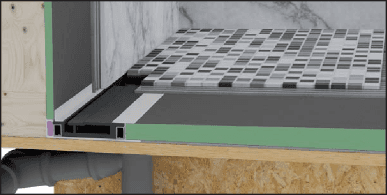
Step 4: Plan Slope and Drainage
A well-built shower depends on precise slope and drainage. Discuss preferences like:
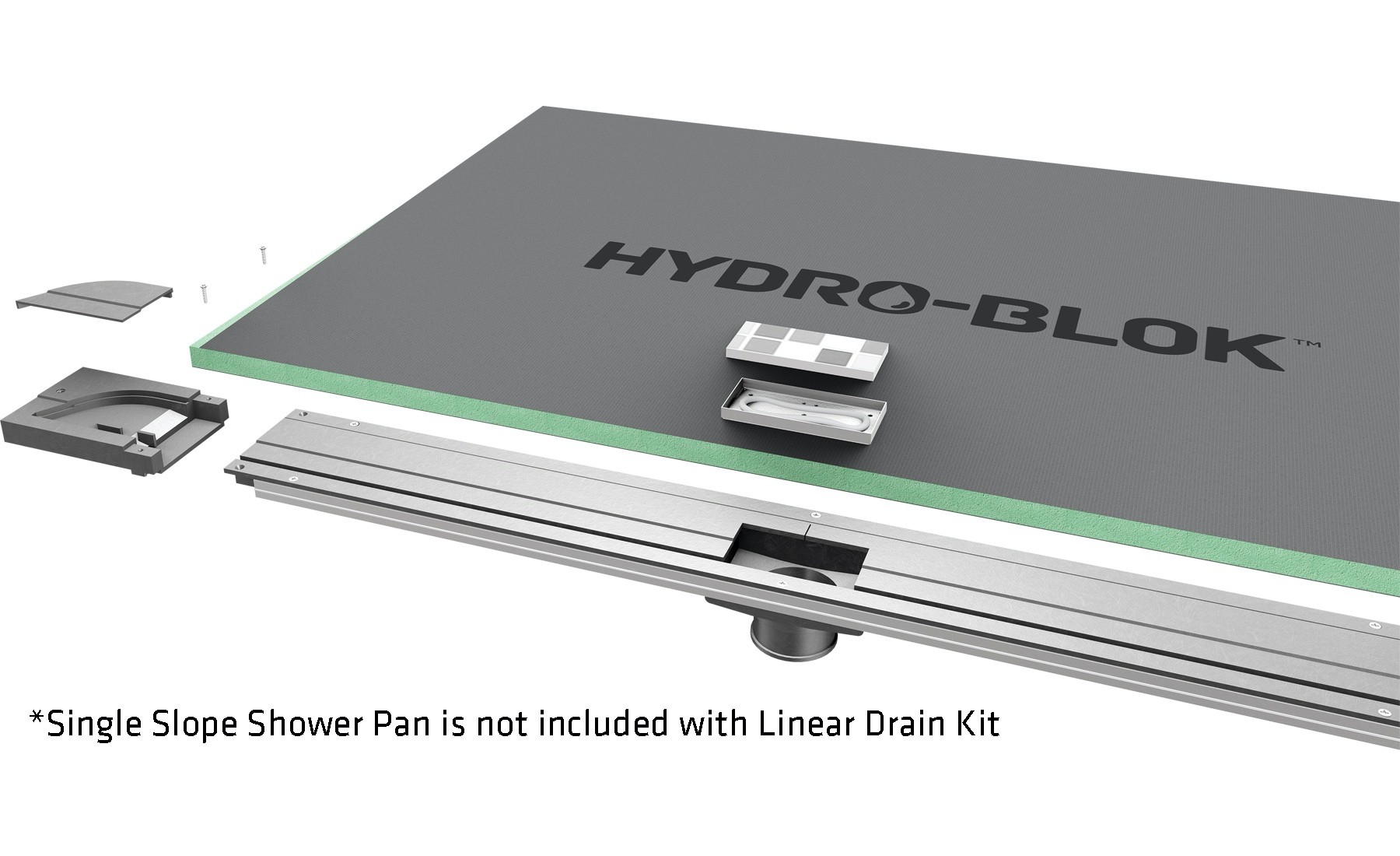
Center vs. perimeter drains
Linear vs. square grate designs
Proper pitch (¼" per foot toward the drain)
A professional installer will finalize this setup, but your input ensures a discreet, effective system.
Step 5: Establish a Preliminary Budget
Costs fluctuate based on material quality, layout complexity, and labor rates. Expect to invest $5,000–$15,000+ for a true custom installation.
Smart budgeting balances your wish list with structural and functional priorities.
Working with Tile Shower Professionals
Tile Installer or Contractor
Your tile contractor coordinates the project and ensures technical precision. Look for:
Experience with custom tile patterns and materials
Verified licensing and insurance
Proven portfolio of past projects
Designer Collaboration
Hiring a bathroom designer can elevate your project’s style and coherence.
Designers often help with tile layouts, lighting, niches, and color harmony.
While optional, they provide immense value for complex or luxury builds.
Pro Tip: Some contractors include free design consultations—clarify the scope and cost structure in advance.
Key Custom Shower Design Decisions
Layout Configurations
Explore options that fit your space and needs:
Neo-angle: Space-saving corner layout with openness
Curbless: Seamless entry for accessibility
Bench: Built-in seating or storage
Quarter-round / Half-moon: Unique curves for visual interest
Tile Types and Materials
Each material affects performance, cost, and look:
Material | Pros | Considerations |
|---|---|---|
Ceramic | Affordable, easy to clean | Limited luxury appeal |
Porcelain | Durable, low absorption | Heavier, costlier |
Mosaic | Artistic and customizable | More grout lines |
Glass | Modern and luminous | Slippery, shows water spots |
Marble | Timeless elegance | Requires sealing and care |
Granite | Extremely hard, durable | Expensive, heavy |
Large tiles (e.g., 12”x24”) create a clean, modern aesthetic, while mosaics add character and texture.
Grout and Accent Details
Grout color dramatically changes the design impact.
Contrasting grout makes patterns stand out.
Matching grout blends for a minimalist look.
Accent bands or deco tiles can frame niches or borders beautifully.
Lighting and Accessories
Lighting sets the tone. Choose moisture-rated LED fixtures for safety and ambiance.
Add practical accessories like grab bars, niche shelves, or benches—with proper waterproofing underneath.
Custom Shower Installation and Construction
Demolition and Preparation
Remove old structures down to the studs to inspect plumbing and wiring.
Reusing functional fixtures can save costs, but ensure proper alignment for the new layout.
Pro Tip: For curbless entries, raise the perimeter to align the floor level evenly.
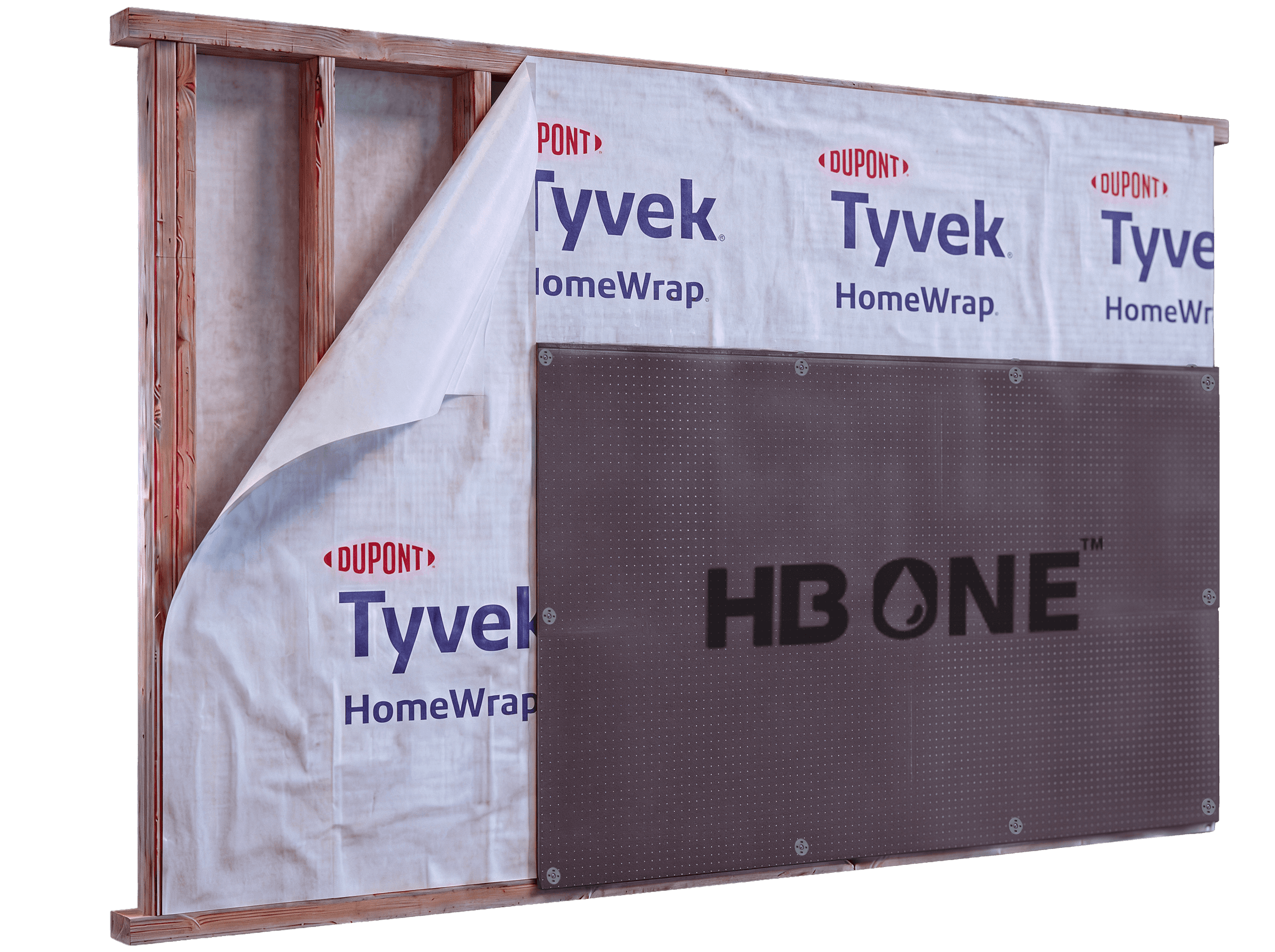
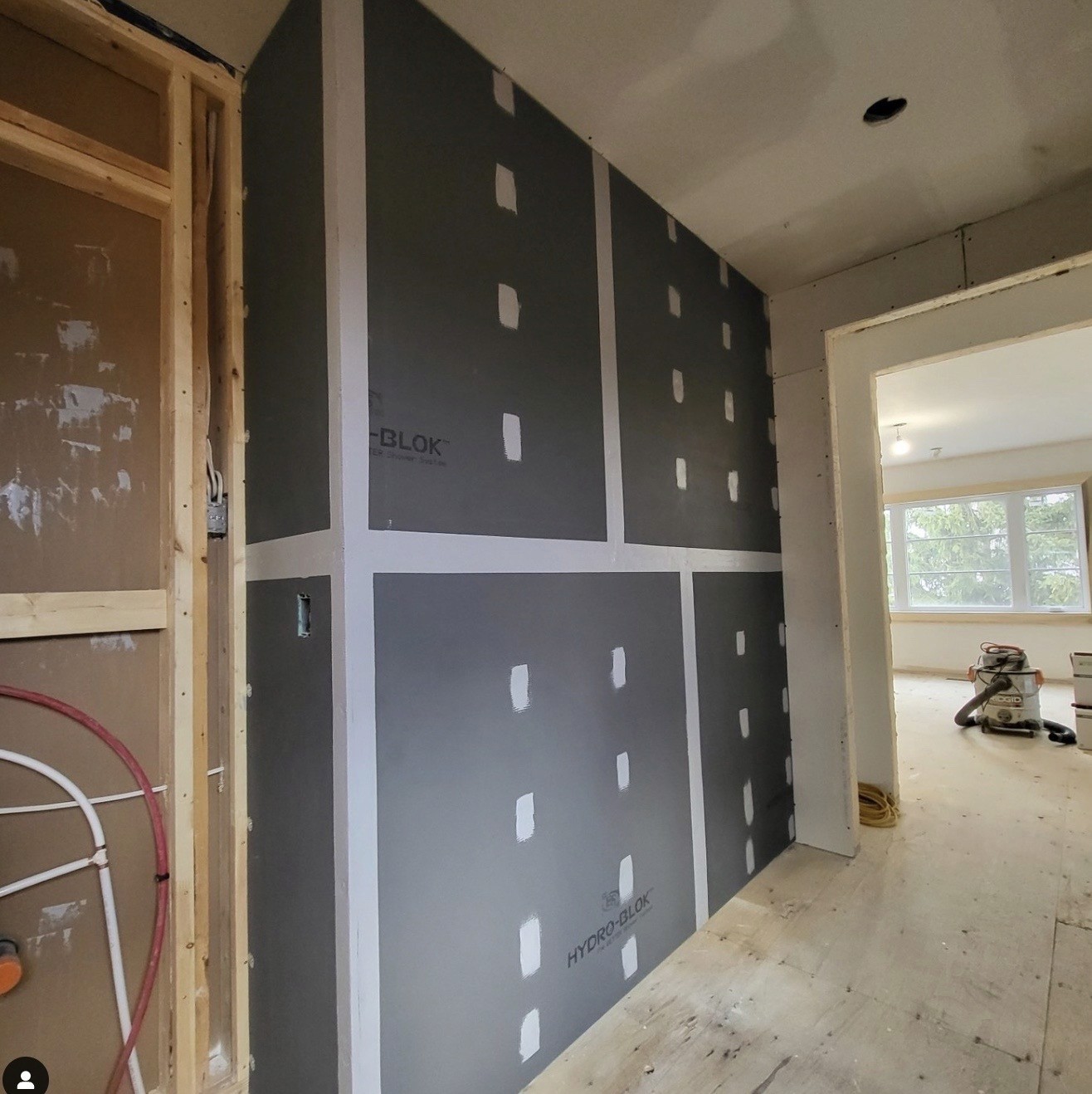
Waterproofing
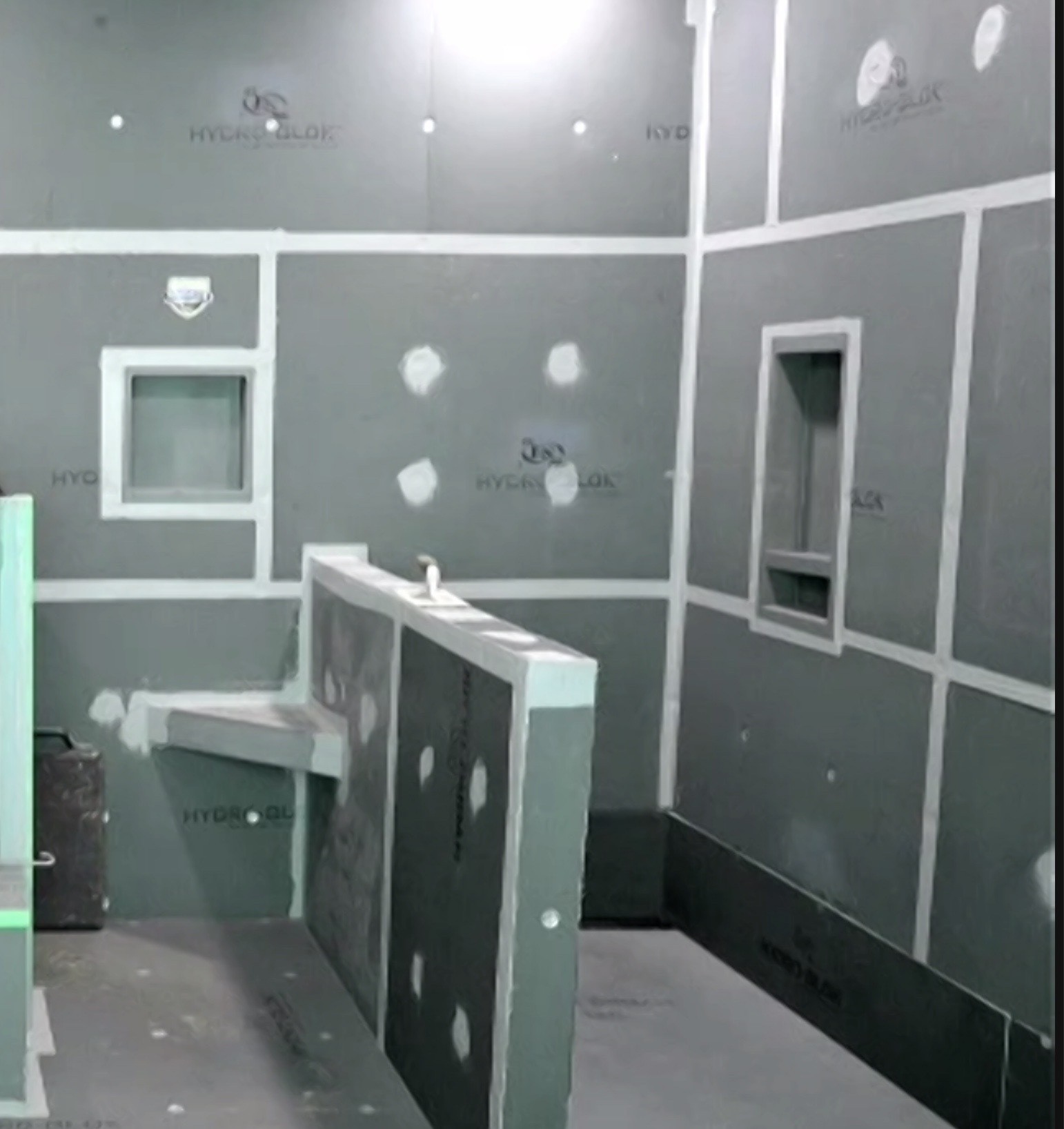
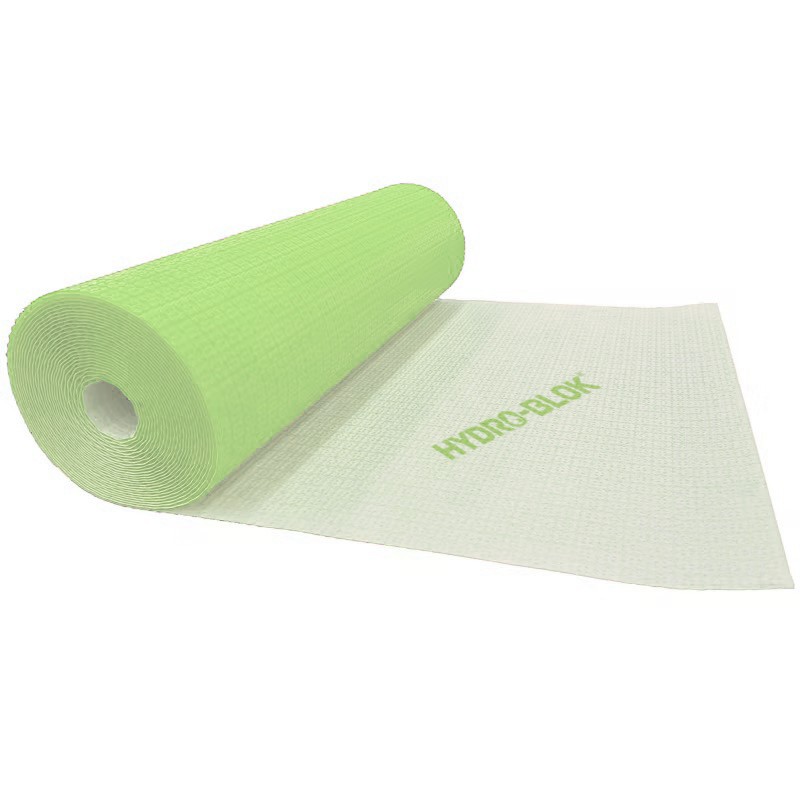
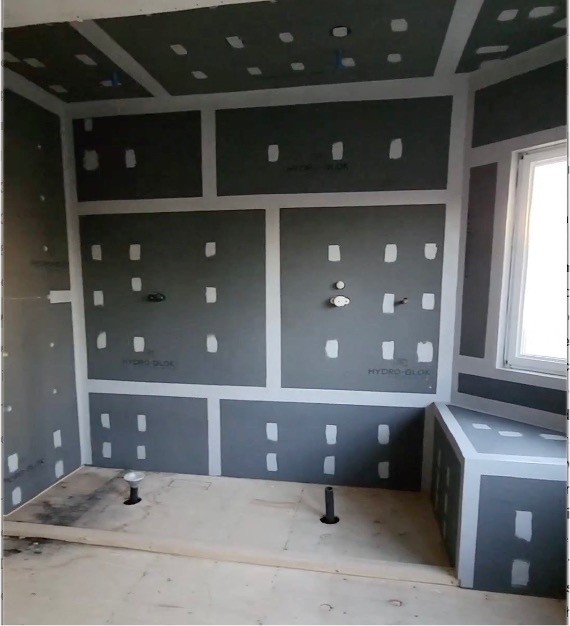
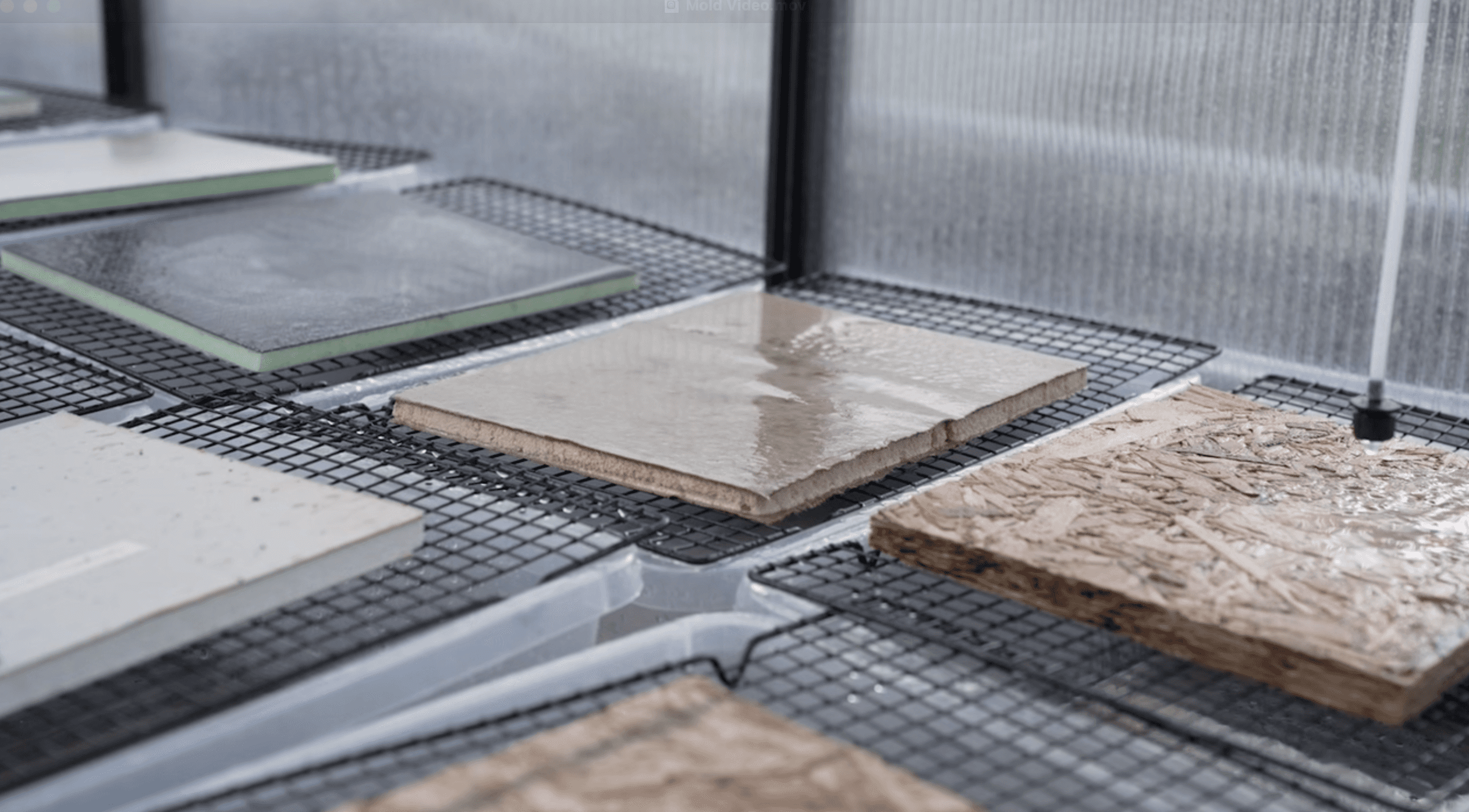
Apply professional-grade waterproofing (e.g., RedGard or liquid membranes) to all walls, floors, and seams.
Extend coverage beyond the shower boundary for added protection.
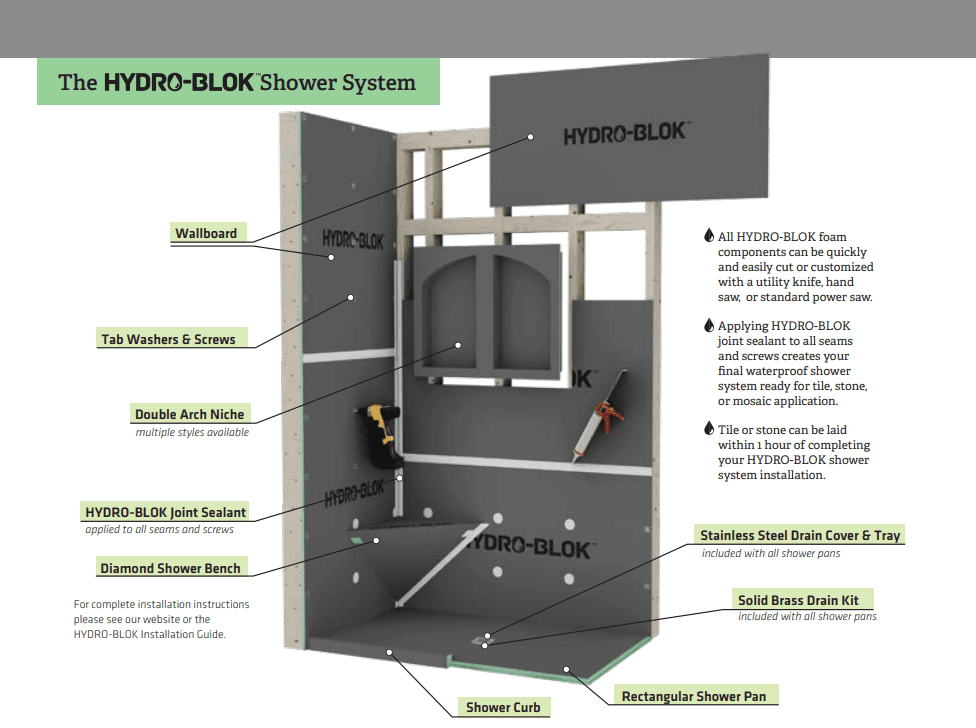
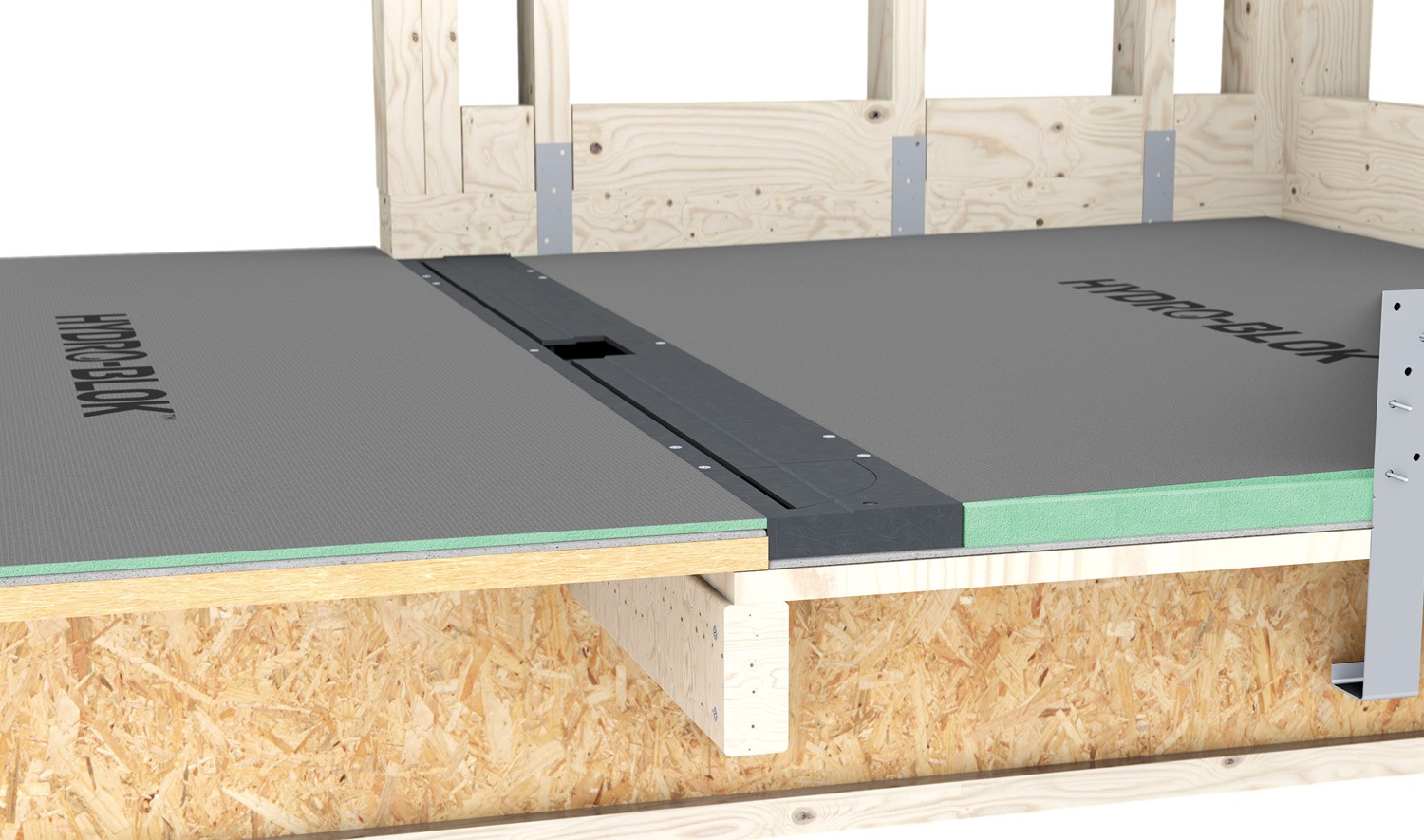
Building the Shower Base
Three main approaches:
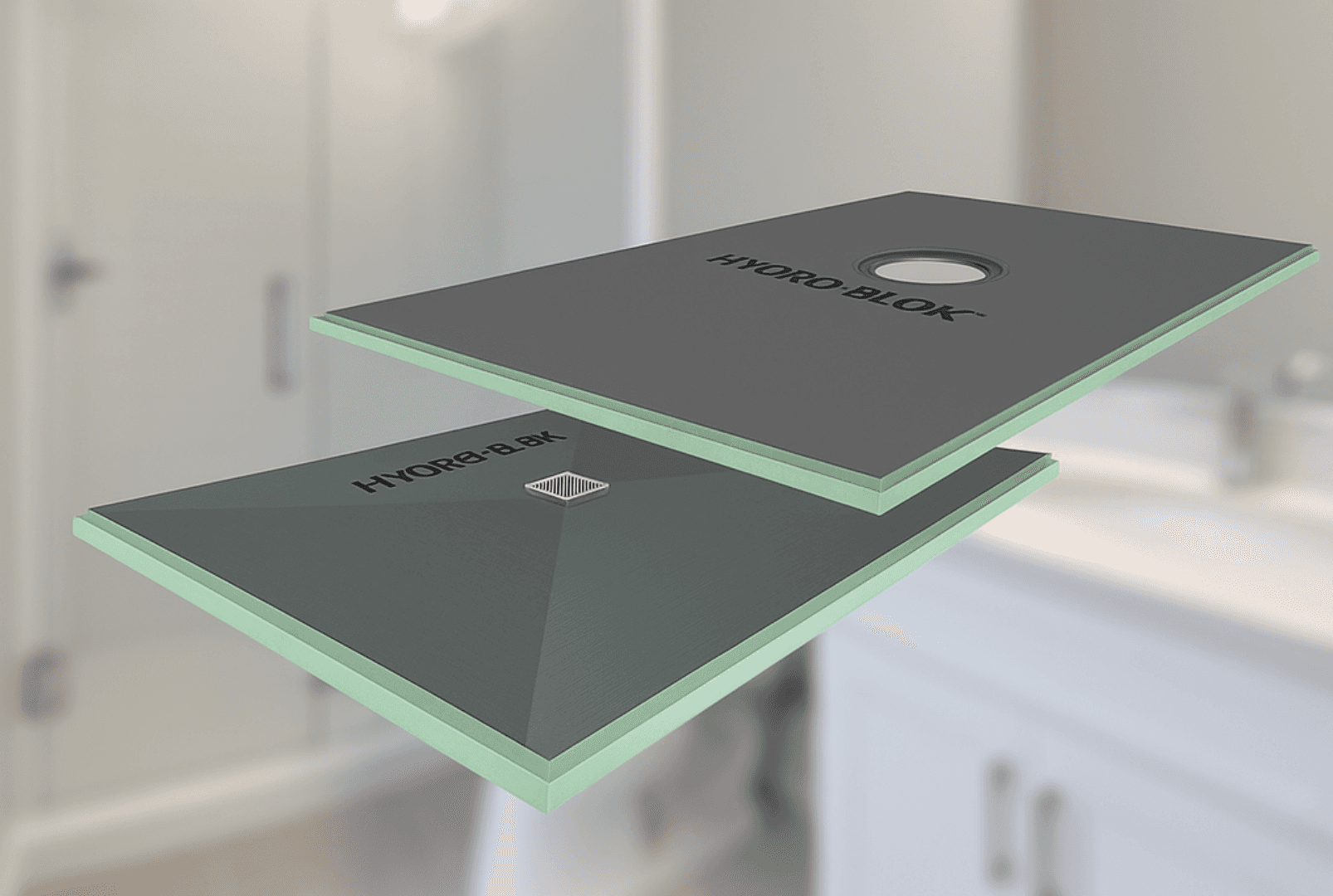
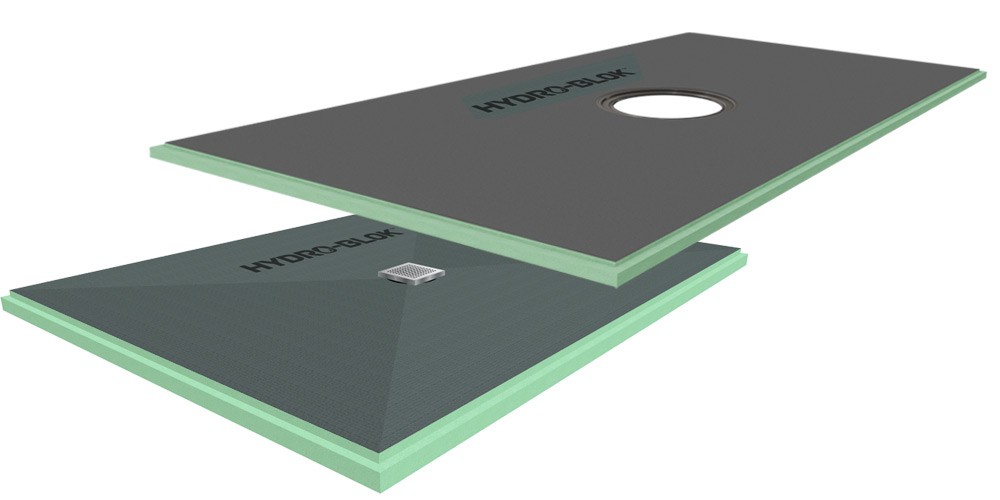
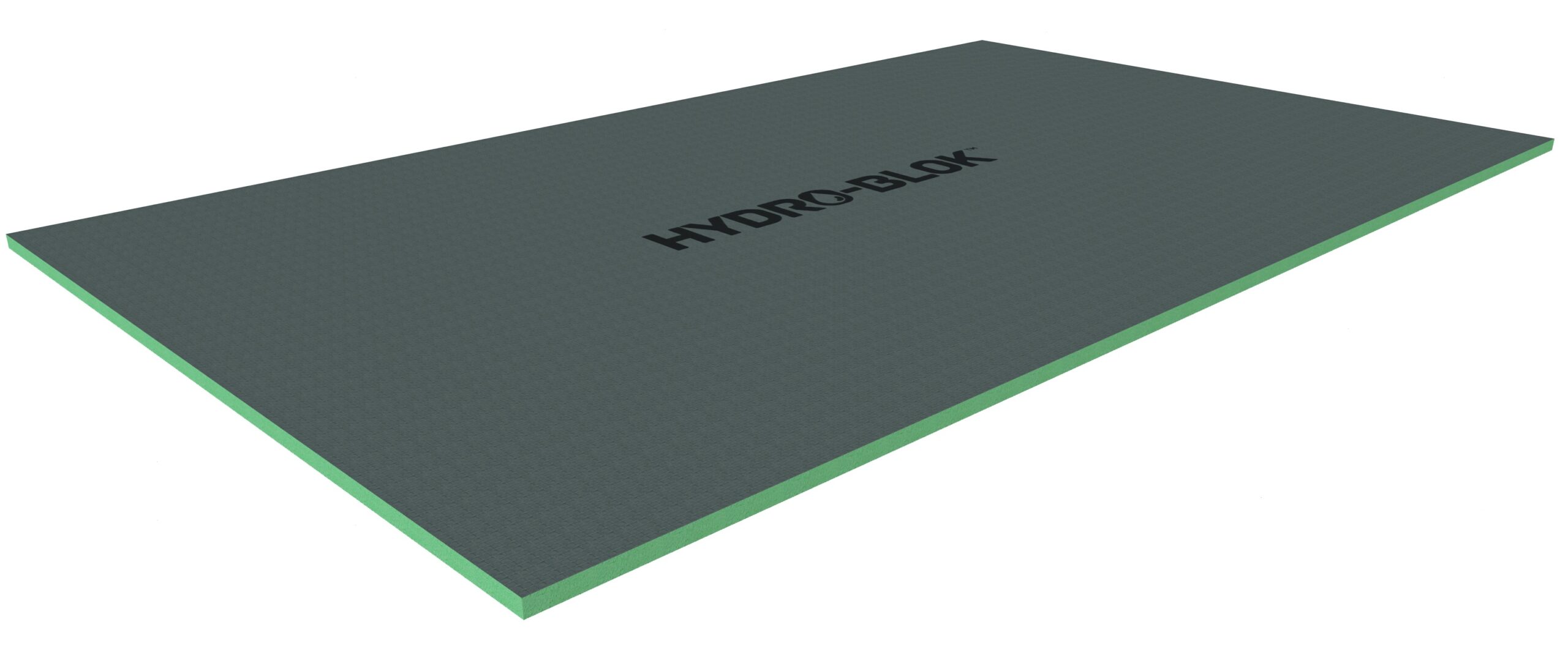
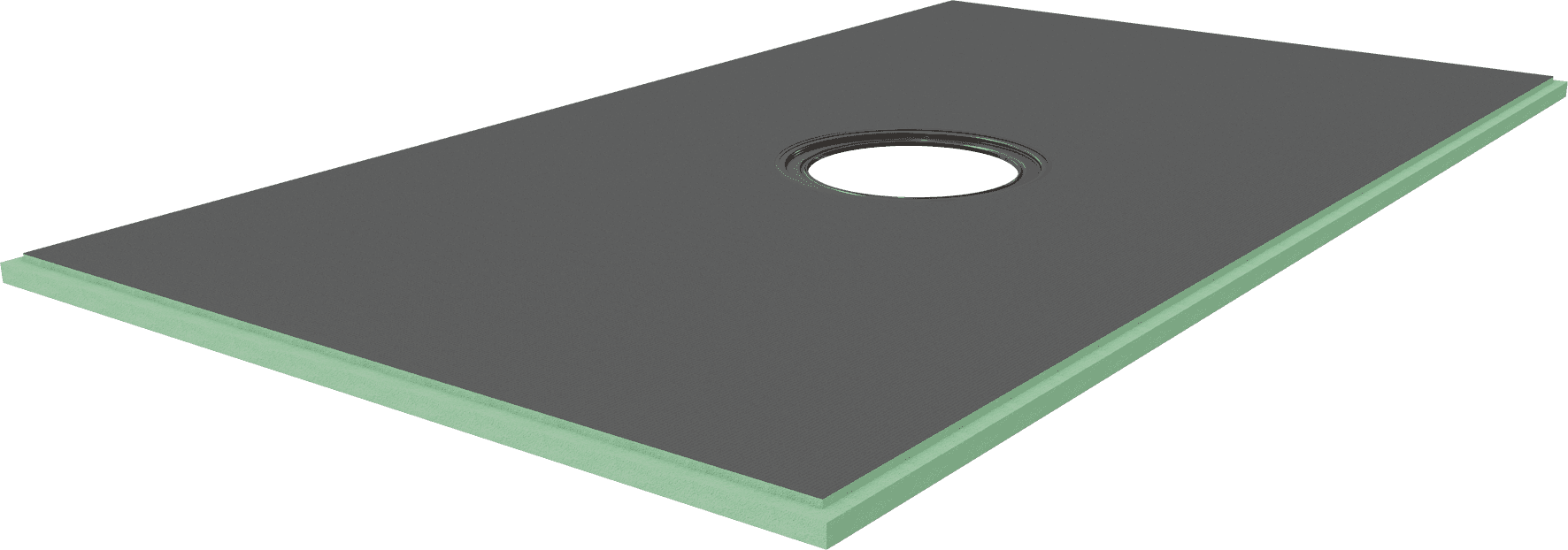
Prefab Pan: Simplifies drainage, less customization.
Mortar Bed: Traditional and highly customizable.
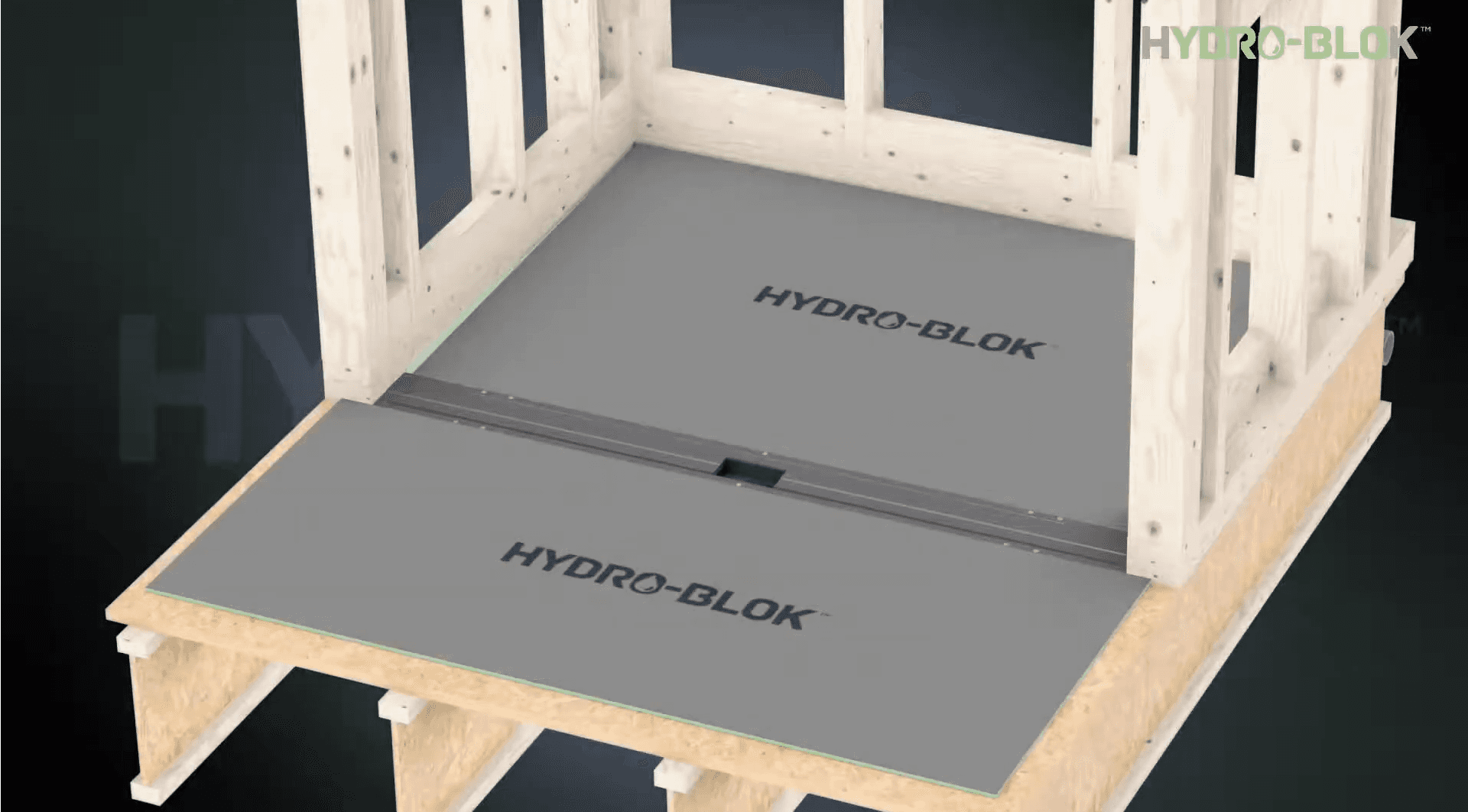
Waterproof Subfloor: Uses membrane directly on the floor.
Choose based on design complexity and budget.
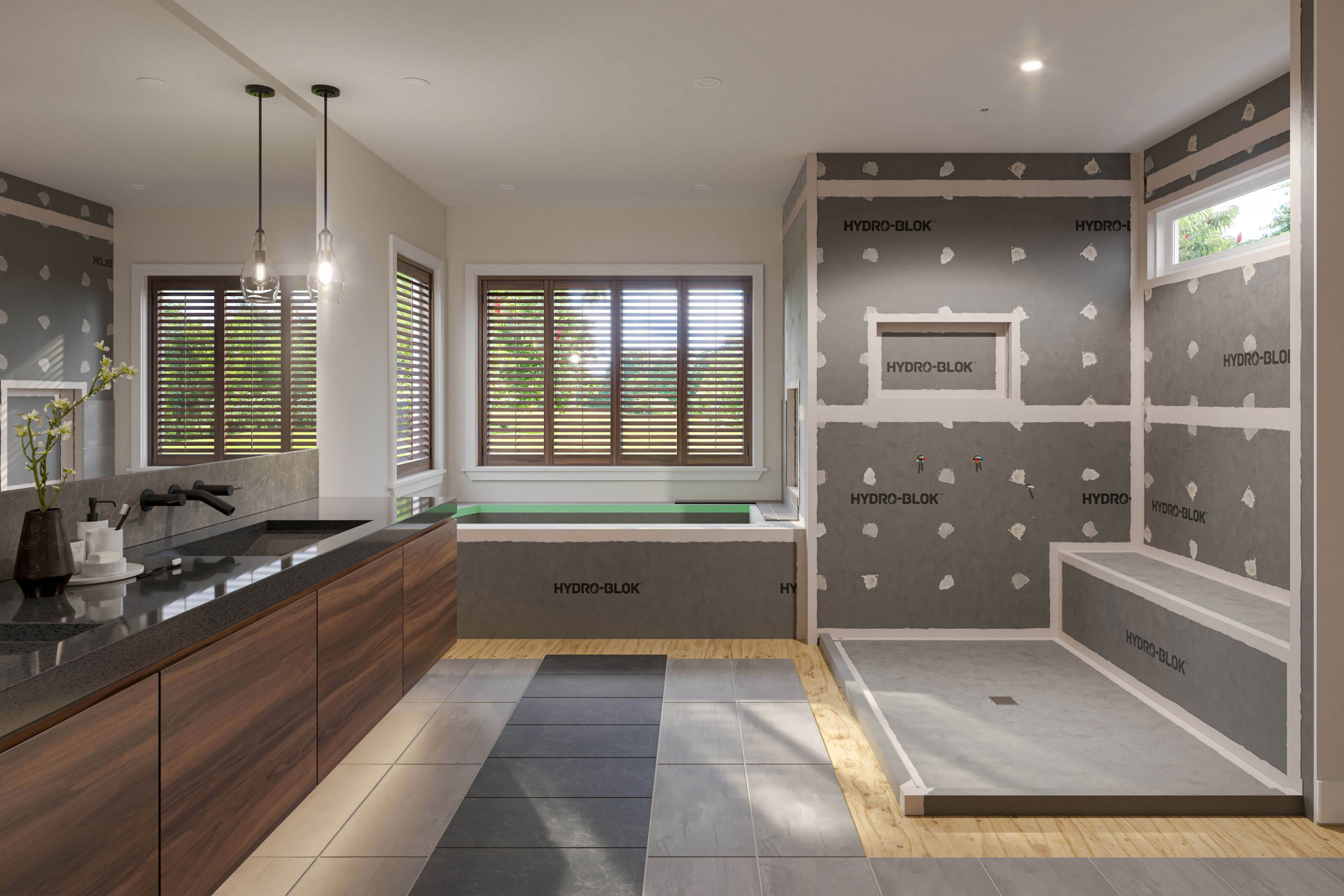
Cement Board and Framing
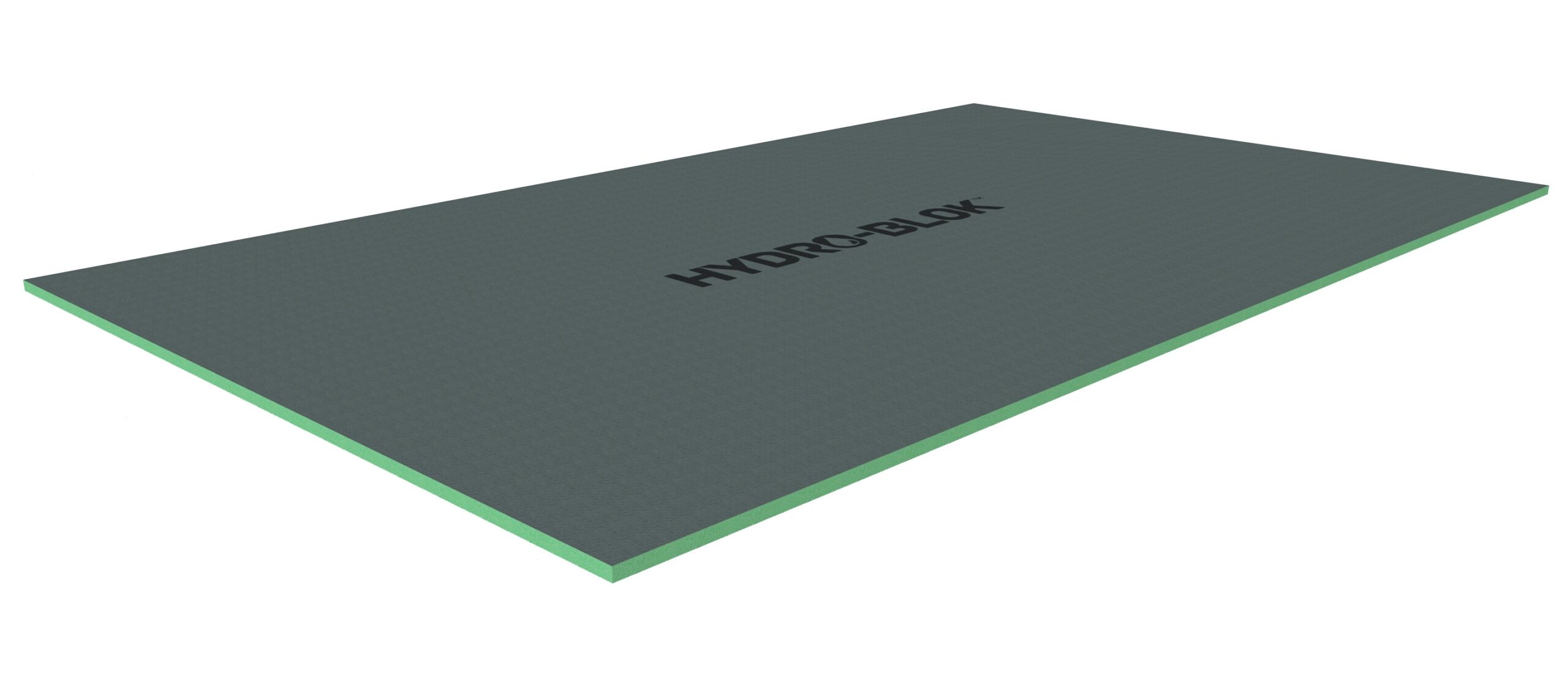
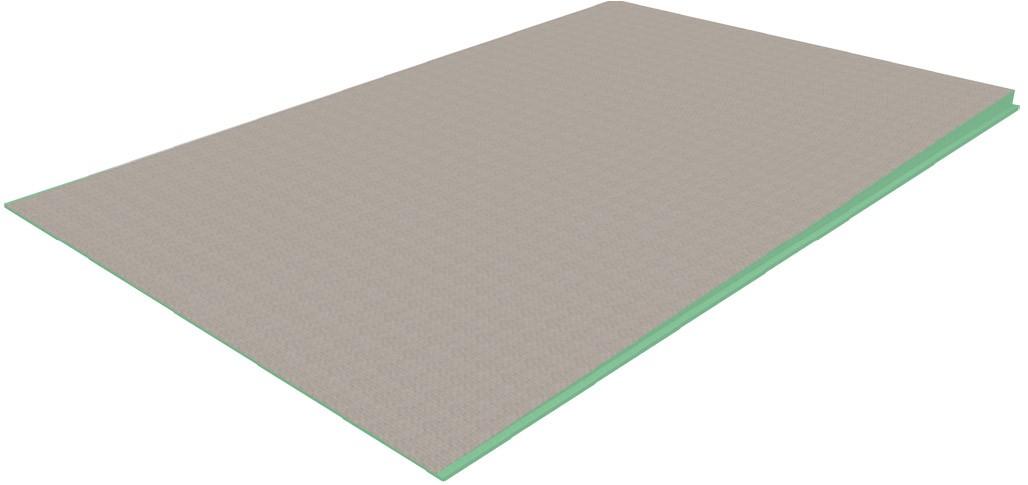
Install cement backerboard securely to framing studs as a durable base for tiling.
Use corrosion-resistant screws and ensure proper spacing for expansion.
Setting Floor Tiles
Tile setters begin with precise cuts around the drain and perimeter.
Natural stone floors may require additional reinforcement.
Tiling the Shower Walls
Work bottom-up for structural accuracy and aesthetic alignment.
Use edge bullnose tiles instead of L-shaped corner cuts to prevent cracking.
Grouting and Sealing
After mortar cures, apply grout between tiles and finish with a high-quality sealant to prevent moisture absorption.
Re-seal annually to maintain longevity and appearance.
Final Thoughts
With strategic design, quality materials, and skilled craftsmanship, your custom tile shower can become a lasting centerpiece of your home.
From concept to completion, the process is both technical and artistic—an opportunity to turn your daily routine into a personal sanctuary.